English
 русский
 Español
 عربى
عربى 中文简体
中文简体
 中文简体
中文简体
In today's world, where environmental concerns are at the forefront of global discussions, the recycling industry is continuously evolving. Among the various technologies that facilitate recycling, plastic grinder mills have gained significant attention. These machines are designed to process plastic waste, transforming it into reusable materials. However, the question arises: are plastic grinder mills worth the investment? This article explores the factors that determine the value of plastic grinder mills, including their functionality, benefits, costs, and long-term impact on sustainability.
Understanding Plastic Grinder Mills
What Are Plastic Grinder Mills?
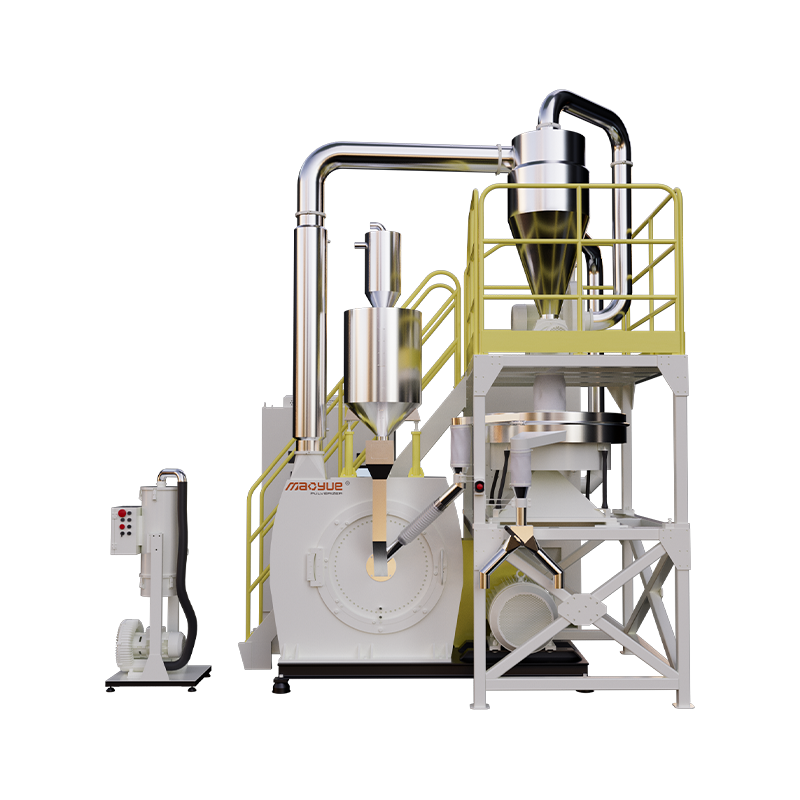
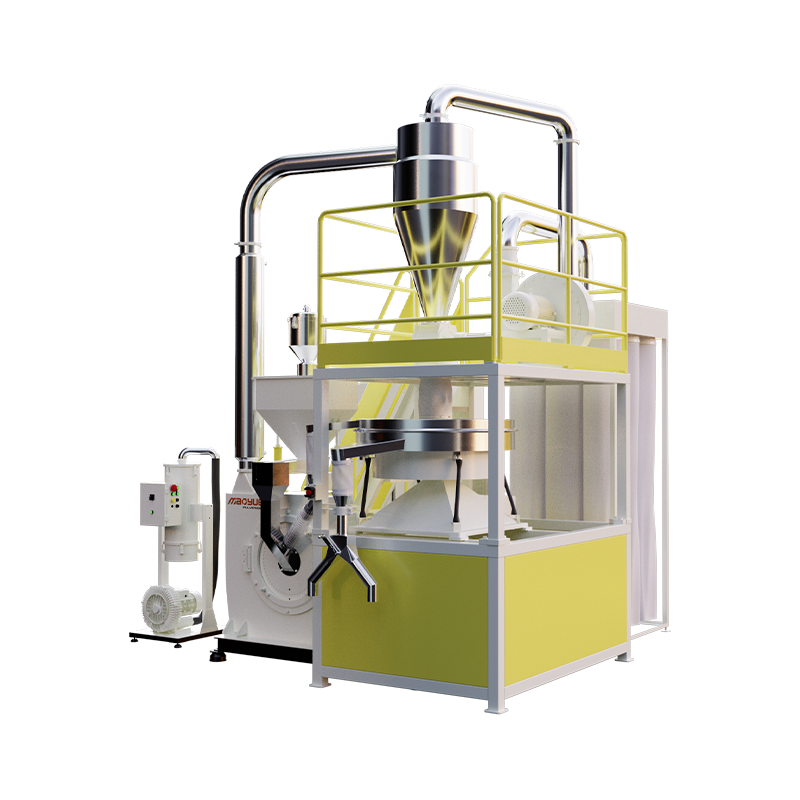
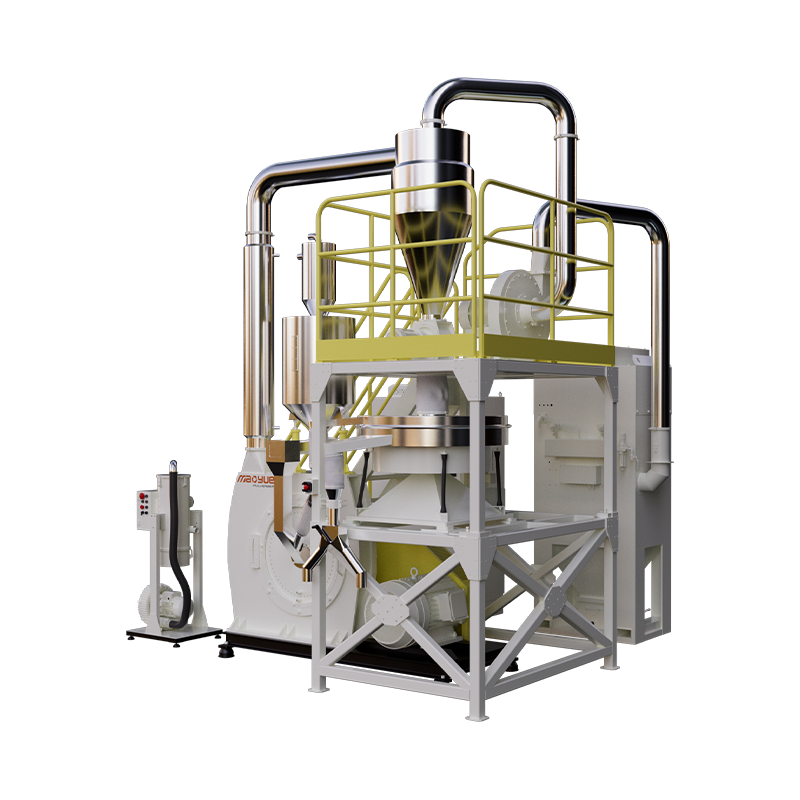
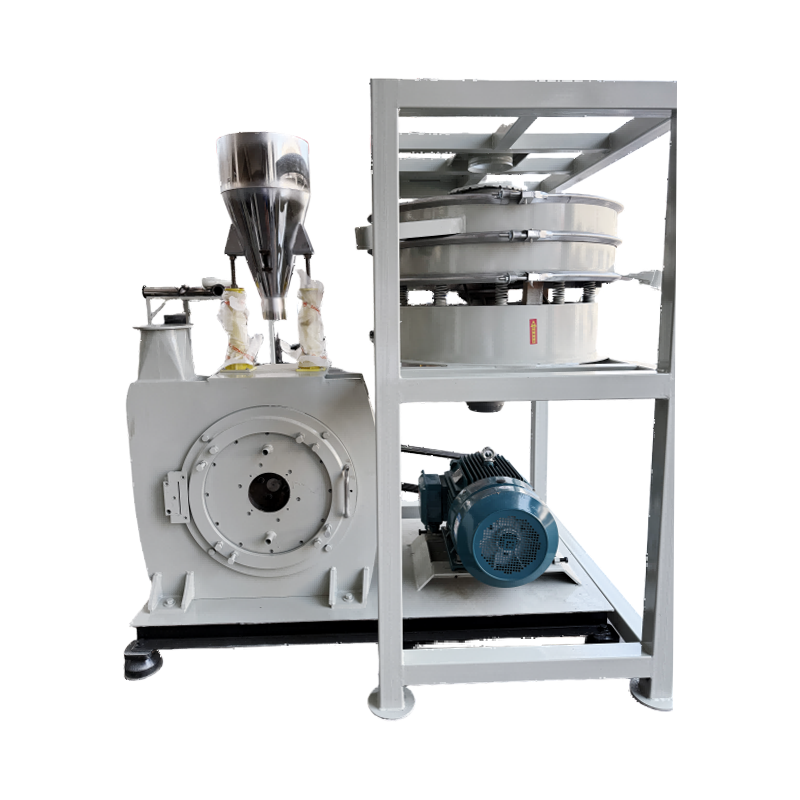
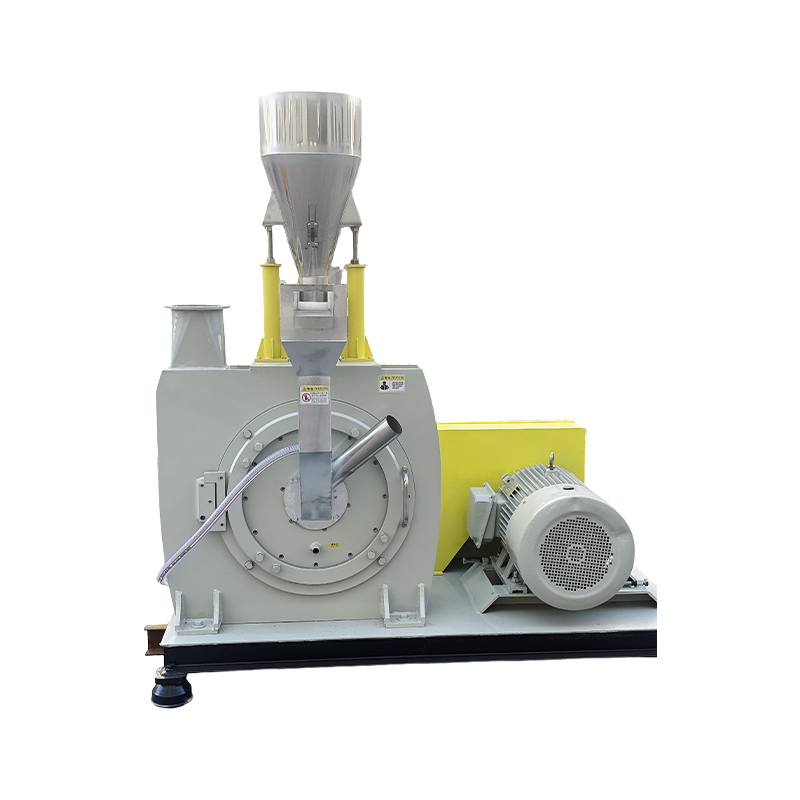
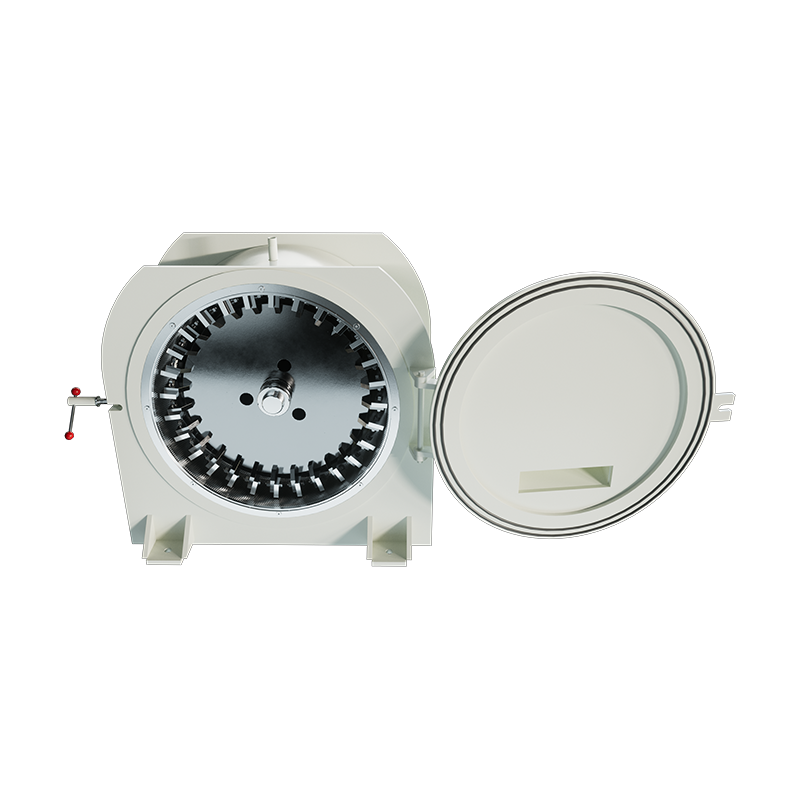
Plastic grinder mills are machines specifically designed to grind and shred plastic materials into smaller pieces or powders. They are integral to the recycling process, as they prepare plastic waste for further processing and reuse. The machines come in various types, including single shaft shredders, dual shaft shredders, granulators, hammer mills, and cryogenic grinders, each tailored for specific applications and types of plastic.
Functionality
The operation of a plastic grinder mill typically involves several stages:
Feeding: Plastic waste is fed into the machine, usually through a hopper.
Shredding: Sharp blades or hammers break down the plastic into smaller pieces.
Grinding: The shredded plastic is further ground into finer particles, depending on the desired end product.
.Separation: Some models include features to separate contaminants, ensuring a cleaner output.
Collection: The processed plastic is collected for reuse in manufacturing or other applications.
Benefits of Plastic Grinder Mills
1. Environmental Sustainability
One of the primary reasons to invest in plastic grinder mills is their contribution to environmental sustainability. By facilitating the recycling of plastic waste, these machines help divert materials from landfills and oceans. With millions of tons of plastic waste generated each year, grinder mills play a crucial role in addressing this pressing issue.
2. Resource Recovery
Plastic grinder mills enable the recovery of valuable materials from waste plastics. The ground plastic can be reused in manufacturing new products, reducing the demand for virgin materials. This not only conserves natural resources but also minimizes the carbon footprint associated with plastic production.
3. Cost Efficiency
Investing in a plastic grinder mill can to significant cost savings in the long run. Recycling plastic is often more economical than producing new plastic from raw materials. By streamlining the recycling process, these machines can enhance operational efficiency and reduce material costs for businesses.
4. Versatility
Plastic grinder mills are versatile and can process a wide range of plastic types, from rigid containers to flexible films. This adaptability makes them suitable for various industries, including packaging, automotive, and consumer goods.
5. Improved Quality of Recycled Materials
Advanced plastic grinder mills are designed to produce high-quality recycled materials. By ensuring a consistent particle size and removing contaminants, these machines enhance the quality of the final product, making it more appealing to manufacturers looking for sustainable materials.
Cost Considerations
1. Initial Investment
The initial cost of purchasing a plastic grinder mill can be substantial, ranging from a few thousand to several hundred thousand dollars, depending on the type and capacity of the machine. This upfront investment can be a significant barrier for smaller companies or startups.
2. Operational Costs
In addition to the purchase price, operational costs must be considered. These include energy consumption, maintenance, labor, and replacement parts. Plastic grinding can be energy-intensive, so selecting energy-efficient models is crucial for minimizing ongoing expenses.
3. Return on Investment (ROI)
Determining the ROI for a plastic grinder mill involves evaluating potential savings from reduced material costs, increased efficiency, and the ability to generate revenue from selling recycled materials. Companies that manage their plastic waste effectively can see a positive ROI within a few years.
Long-Term Impact on Sustainability
1. Supporting a Circular Economy
Investing in plastic grinder mills aligns with the principles of a circular economy, where materials are reused and recycled rather than discarded. This shift from a linear to a circular model reduces waste and promotes sustainability.
2. Enhancing Corporate Responsibility
Businesses that invest in recycling technologies, such as plastic grinder mills, demonstrate a commitment to environmental stewardship. This can enhance brand reputation and attract environmentally conscious consumers, providing a competitive edge in the market.
3. Regulatory Compliance
As governments worldwide implement stricter regulations on plastic waste management, investing in a grinder