How Thermal Stability Influences PVC Pulverizing Performance
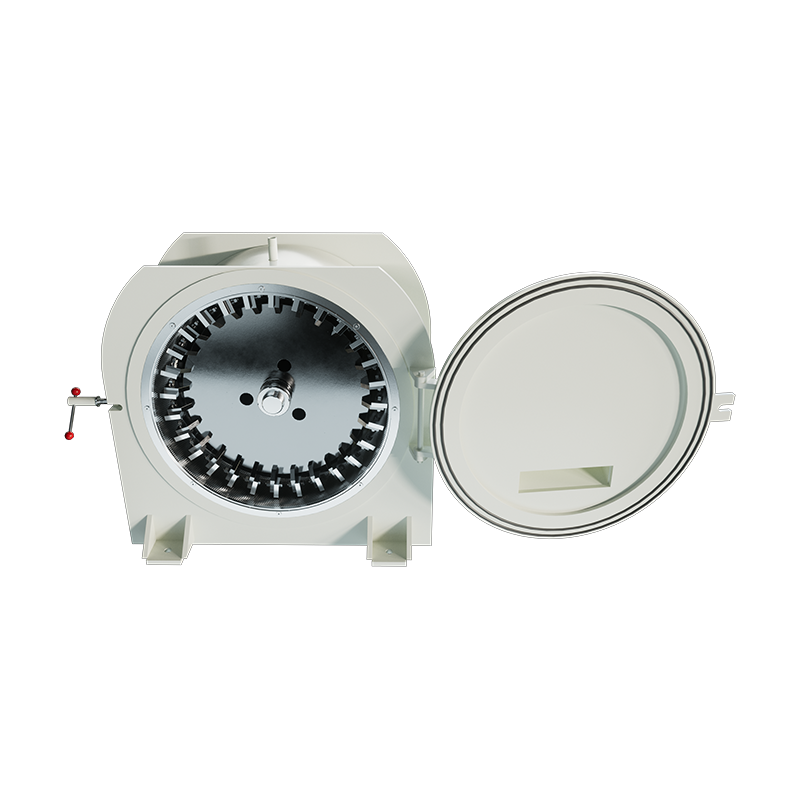
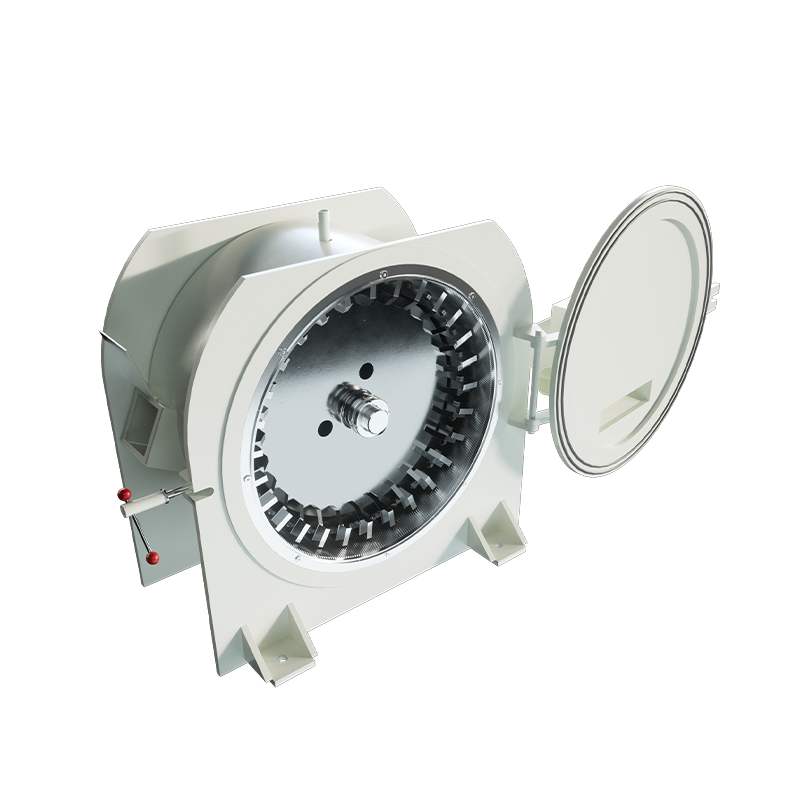
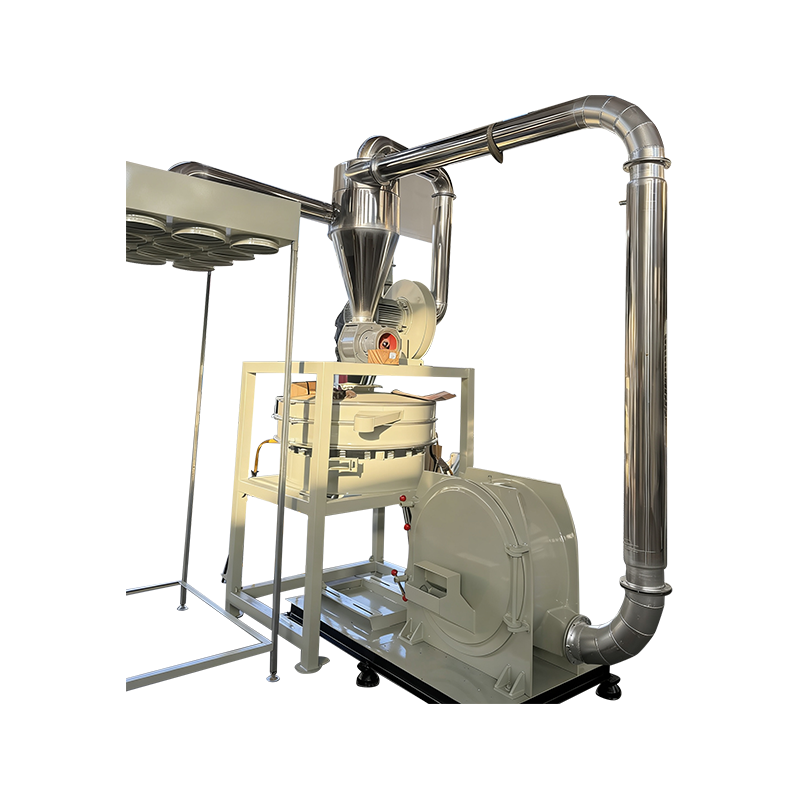
Unlike many polyolefins, PVC has a relatively narrow thermal processing window and is more susceptible to thermal degradation during mechanical grinding. Excessive friction can cause localized temperature spikes that accelerate dehydrochlorination, leading to discoloration, reduced material performance, and inconsistent powder quality. For this reason, a high-performance PVC Pulverizer Machine is designed to maintain low grinding temperatures through optimized airflow, efficient cooling systems, and carefully controlled material residence time.
Temperature management should be viewed as a process control strategy rather than simply a cooling function. Stable thermal conditions preserve the original properties of PVC resin while improving downstream extrusion, calendaring, and pipe or profile production. Maintaining material integrity during pulverizing is often more valuable than maximizing hourly output.
| Process Parameter |
Impact on PVC Powder |
| Grinding temperature |
Maintains resin stability |
| Cooling efficiency |
Reduces thermal degradation |
| Residence time |
Improves particle consistency |
Classification Accuracy Determines Regrinding Efficiency
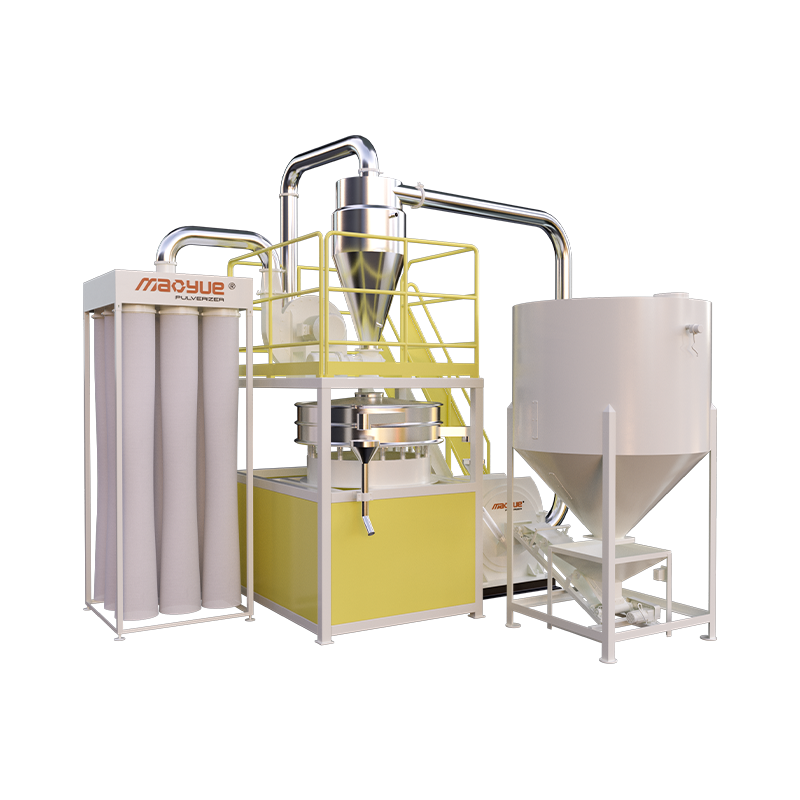
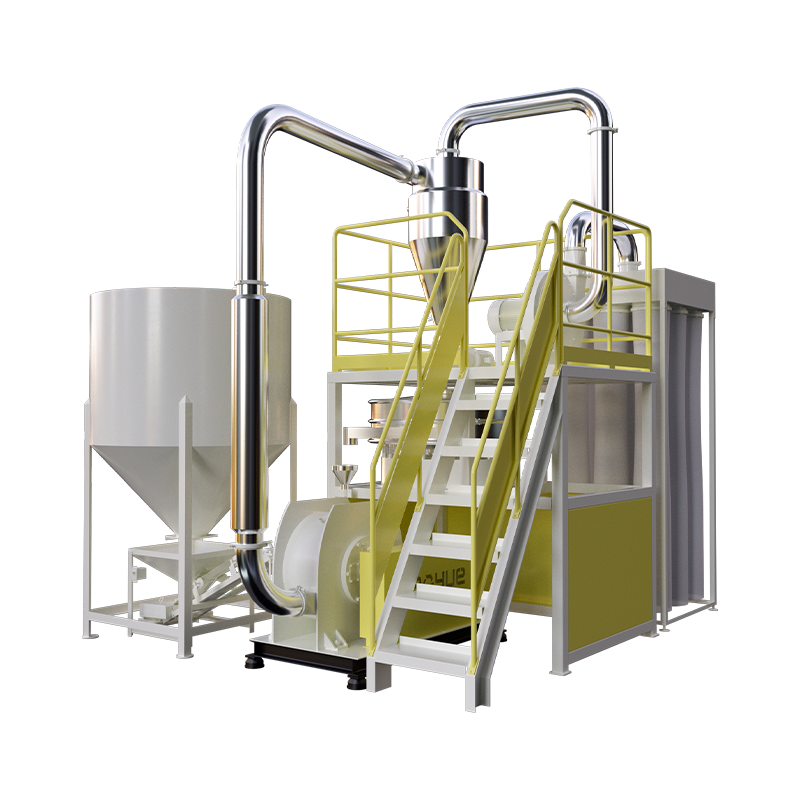
An efficient PVC Pulverizer relies on an accurate air classification system to separate qualified powder from oversized particles. If classification precision is insufficient, acceptable particles may be repeatedly circulated through the grinding chamber, increasing energy consumption and accelerating component wear. At the same time, oversized particles entering downstream production can negatively affect product appearance and processing consistency.
Optimized airflow distribution and classifier design help establish a stable cut point, allowing only particles meeting the specified size range to exit the system. This improves production efficiency while reducing unnecessary mechanical loading on the grinding discs.
- Accurate classification minimizes excessive recirculation.
- Stable cut size improves batch-to-batch consistency.
- Reduced over-grinding lowers specific energy consumption.
- Balanced airflow enhances overall process efficiency.
Dust Collection Efficiency Affects Both Product Recovery and Workplace Safety
Fine PVC powder generated during grinding requires an efficient dust collection system that balances filtration efficiency with stable airflow. Inadequate dust extraction not only reduces powder recovery but also increases airborne particulate concentration, potentially affecting equipment reliability and plant cleanliness. Therefore, the dust collection system should be considered an integral part of every PVC Plastic Pulverizer, rather than an auxiliary accessory.
Proper filter selection, pressure differential monitoring, and airflow management help maintain continuous production while reducing filter blockage and ensuring that powder recovery remains consistent throughout long production campaigns.
Precision Component Manufacturing Supports Long-Term Process Capability
Industrial PVC processing requires pulverizing systems capable of maintaining identical performance over extended operating periods. Achieving this level of repeatability depends on precision-machined grinding discs, stable rotor dynamics, optimized bearing alignment, and strict dimensional tolerance control. These engineering factors directly influence powder morphology, classification efficiency, and equipment reliability throughout the machine's service life.
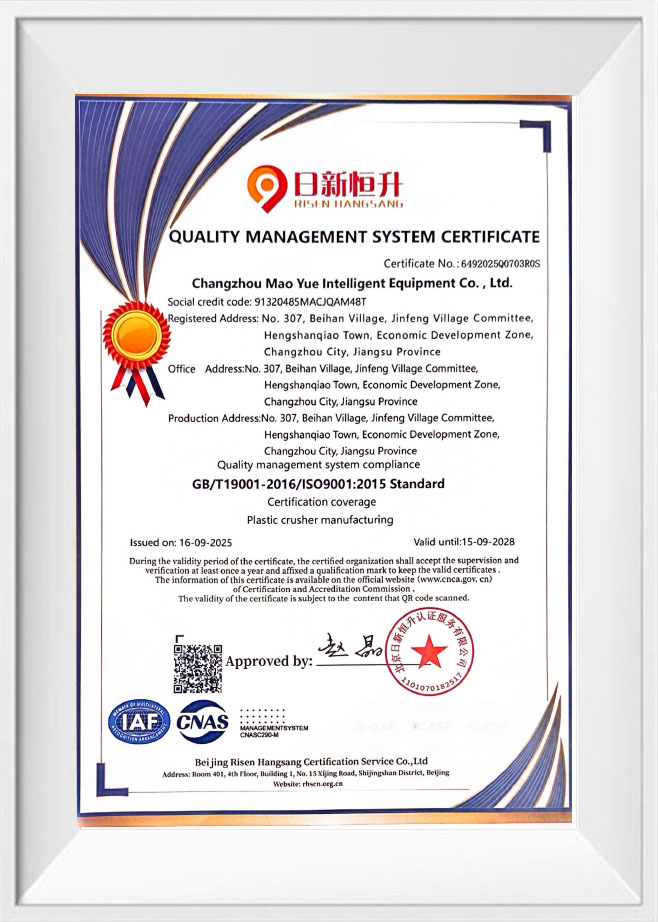
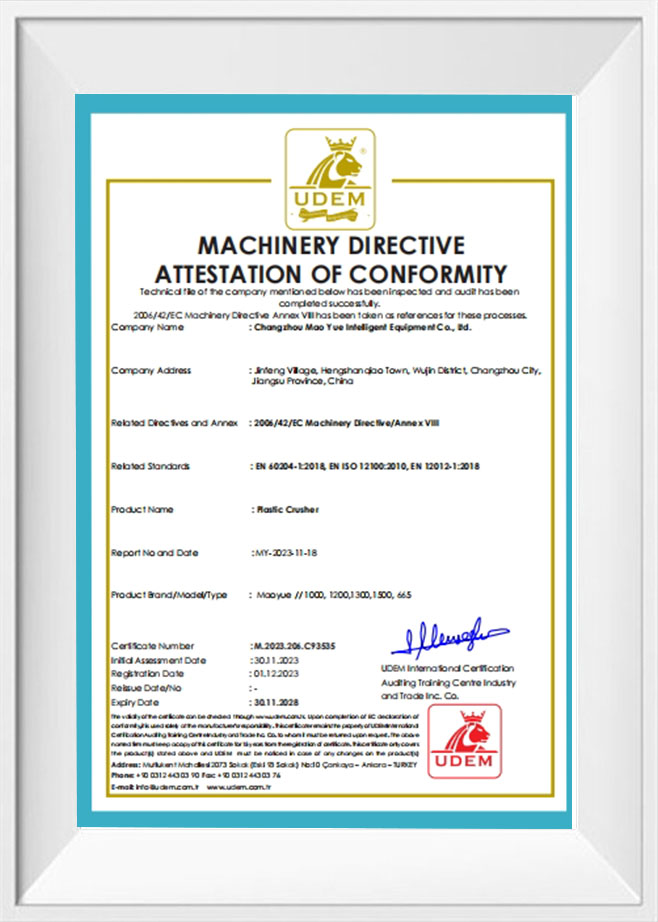
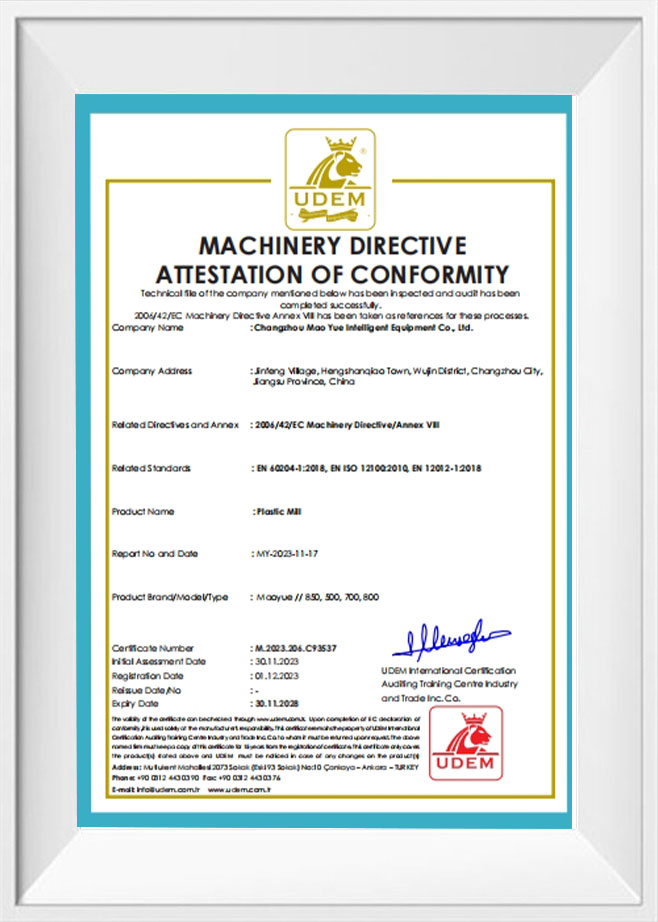
Changzhou Mao Yue Intelligent Equipment Co., Ltd. has dedicated the past 30 years to advancing plastic pulverizing technology and was among the pioneers of the plastic pulverizer market. Every critical component is manufactured according to European quality standards, allowing its disc pulverizers to consistently produce powders with narrow particle size distribution and excellent fluidity. Whether applied as a PVC Pulverizer Machine, PVC Pulverizer, or PVC Plastic Pulverizer, this engineering approach enables manufacturers in rotational molding, masterbatch, and polymer processing to achieve higher process repeatability, lower lifecycle costs, and dependable powder quality across demanding industrial applications.



 English
 русский
 Español
 عربى
عربى 中文简体
中文简体
 中文简体
中文简体