

 English
 русский
 Español
 عربى
عربى 中文简体
中文简体
 中文简体
中文简体
Content
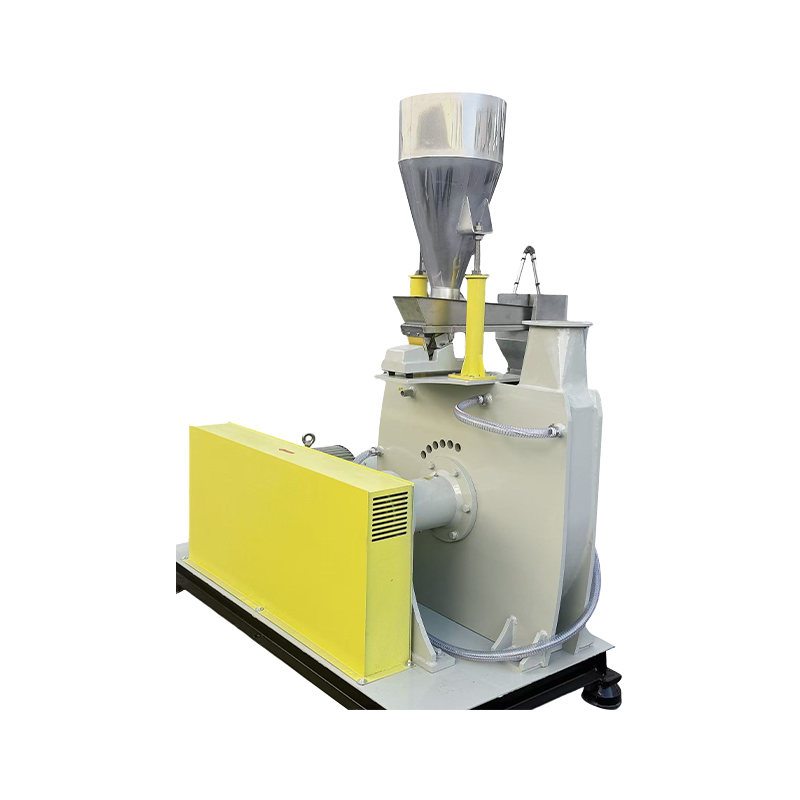
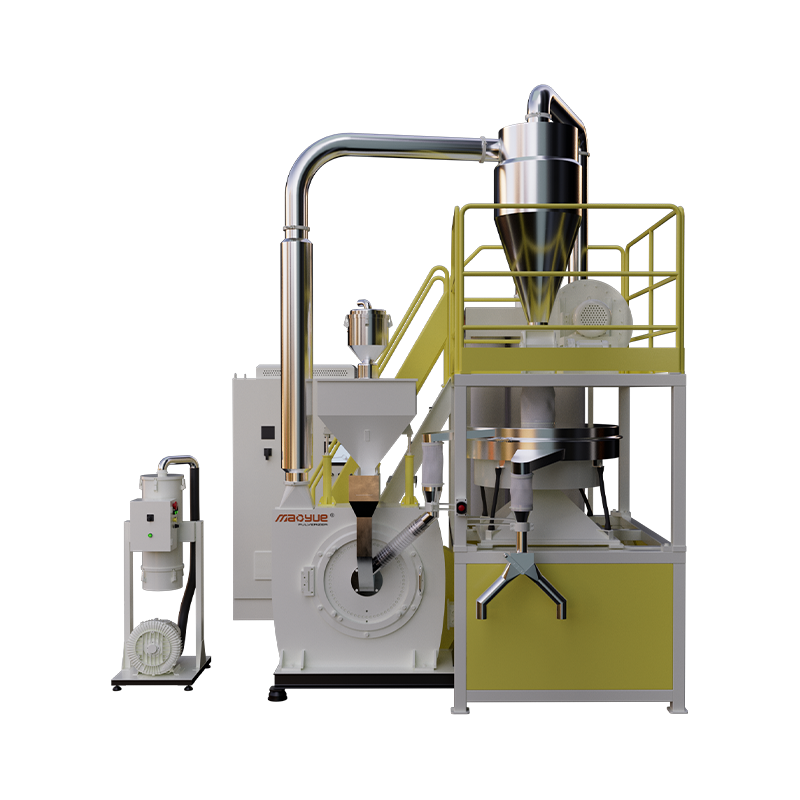
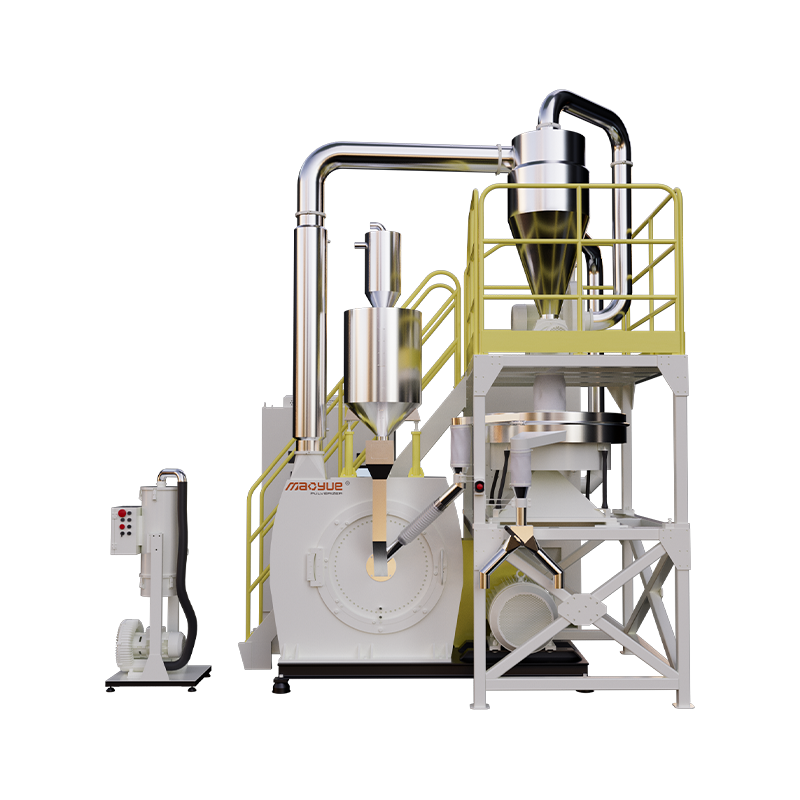
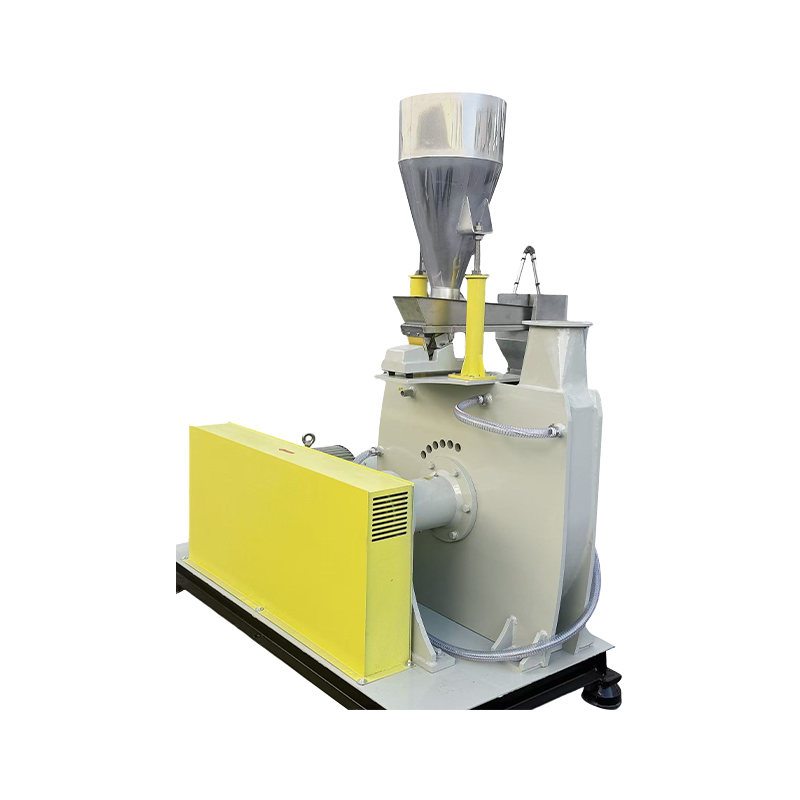
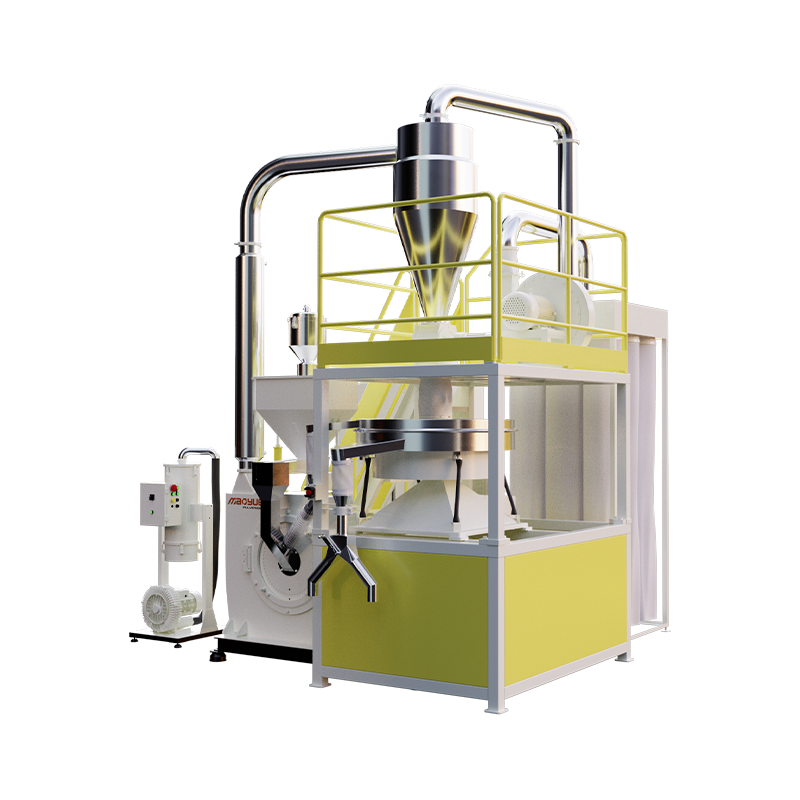
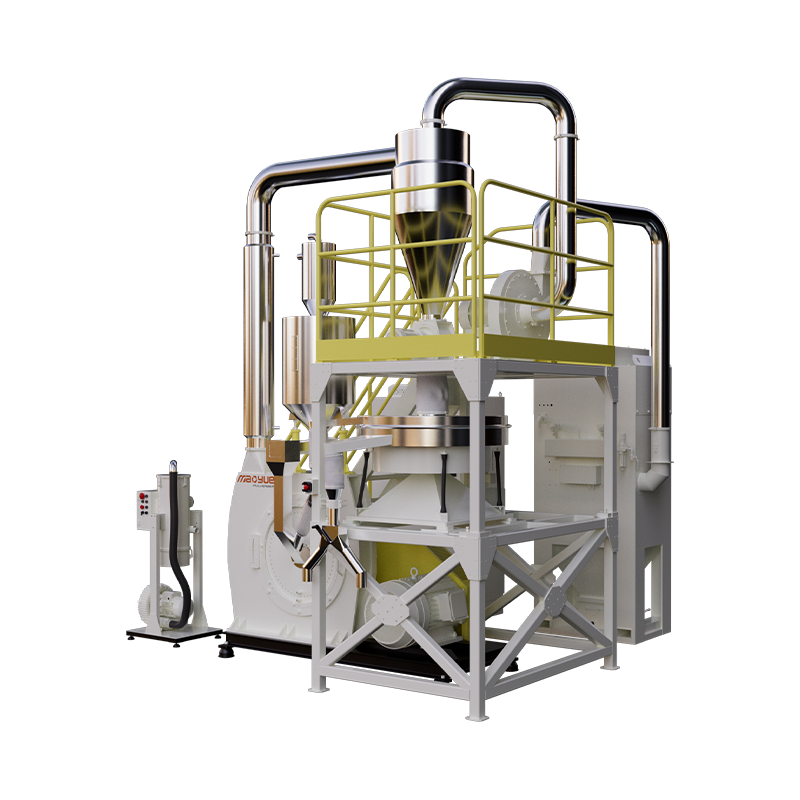
A plastic pulverizer is a critical piece of industrial machinery designed to grind hard or brittle plastic materials into fine powder or small granules, enabling efficient recycling and repurposing of waste plastics. Choosing the right pulverizer can increase material recovery rates by up to 30% while significantly reducing energy consumption compared to traditional crushing methods.
How Plastic Pulverizers Transform Waste into Value
Plastic pulverizers operate on the principle of impact and shear force. Unlike standard crushers that produce irregular chunks, pulverizers use high-speed rotating discs or blades to create friction and impact against stationary components. This process breaks down plastic items such as PVC pipes, HDPE bottles, and acrylic sheets into uniform particles ranging from 20 to 80 mesh size.
Key Operational Mechanisms
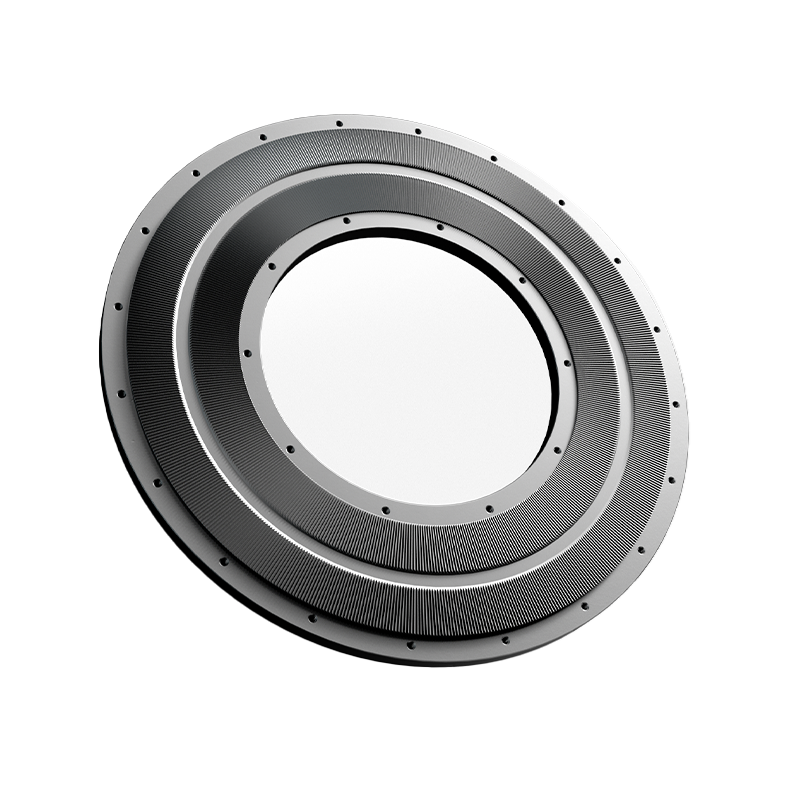
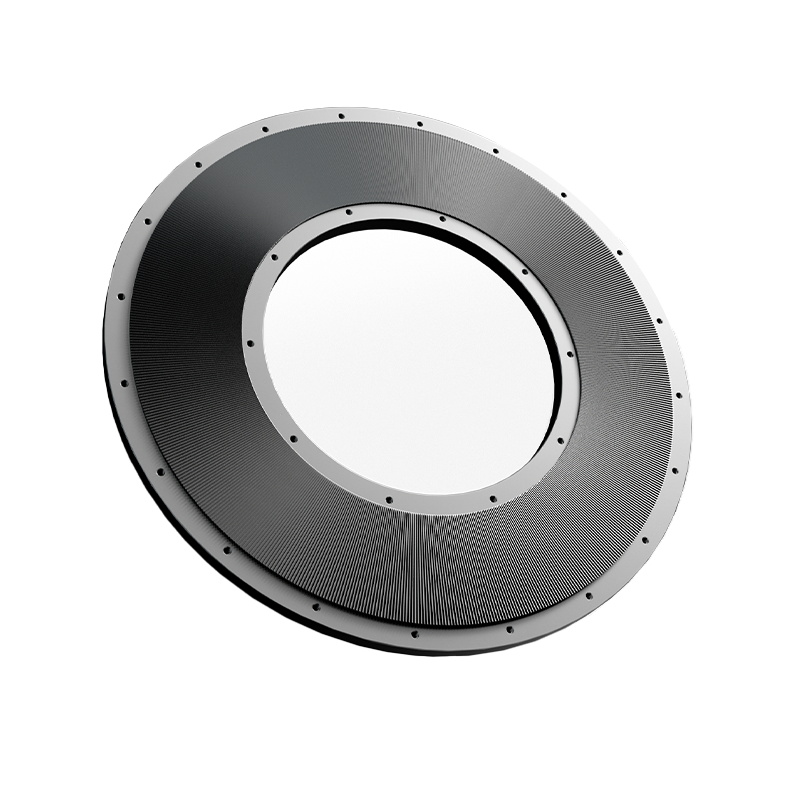
- Disc-Type Pulverizers: Utilize two opposing discs with teeth or pins. One disc rotates at high speed while the other remains stationary, creating intense shear forces ideal for brittle plastics like PS and ABS.
- Hammer Mill Pulverizers: Employ swinging hammers that strike the material against a breaker plate. This type is versatile and handles a wider range of materials, including semi-rigid plastics.
- Turbine Pulverizers: Feature a multi-stage grinding chamber that ensures finer particle size distribution, often used for producing high-quality powder for extrusion processes.
Critical Factors for Selecting the Right Equipment
Selecting an appropriate plastic pulverizer requires evaluating specific production needs. The wrong choice can lead to excessive wear, poor particle consistency, and higher operational costs. Below are the primary considerations for buyers.
| Factor | Impact on Performance | Recommendation |
|---|---|---|
| Material Hardness | Determines blade wear rate and motor load | Use alloy steel blades for PVC; tungsten carbide for engineering plastics |
| Throughput Capacity | Affects production line balance | Match pulverizer output to upstream shredder capacity (e.g., 500-2000 kg/h) |
| Particle Size Requirement | Influences screen mesh selection | Choose adjustable screen meshes for flexibility in end-product specifications |
| Cooling System | Prevents material melting during grinding | Opt for water-cooled chambers for heat-sensitive plastics like PET |
Maintenance Best Practices for Longevity
Regular maintenance is essential to ensure consistent performance and extend the lifespan of your plastic pulverizer. Neglecting routine checks can result in unexpected downtime and costly repairs.
- Blade Inspection and Sharpening: Check cutting blades every 100 hours of operation. Dull blades increase energy consumption by up to 20% and produce inconsistent particle sizes. Rotate or sharpen blades regularly to maintain efficiency.
- Screen Mesh Cleaning: Clogged screens reduce throughput and cause overheating. Clean meshes daily using compressed air or brushing to prevent blockages, especially when processing sticky or fibrous materials.
- Bearing Lubrication: High-speed rotation generates significant heat in bearings. Apply high-temperature grease every 500 hours and monitor bearing temperature to prevent seizure.
- Belt Tension Adjustment: Loose belts slip and reduce power transmission, while overly tight belts strain motors. Check tension weekly and adjust according to manufacturer specifications.
Environmental and Economic Benefits
Investing in a high-quality plastic pulverizer supports both environmental sustainability and economic profitability. By converting waste plastic into reusable raw material, businesses reduce landfill dependency and lower material procurement costs.
Recycled plastic powder can be sold at 60-70% of the price of virgin material, offering substantial cost savings for manufacturers. Additionally, modern pulverizers equipped with dust collection systems minimize airborne particles, ensuring compliance with occupational health and safety regulations.
For facilities processing over 1 ton of plastic waste daily, a well-maintained pulverizer system can achieve a return on investment within 12-18 months through reduced waste disposal fees and revenue from recycled material sales.