

 English
 русский
 Español
 عربى
عربى 中文简体
中文简体
 中文简体
中文简体
Content
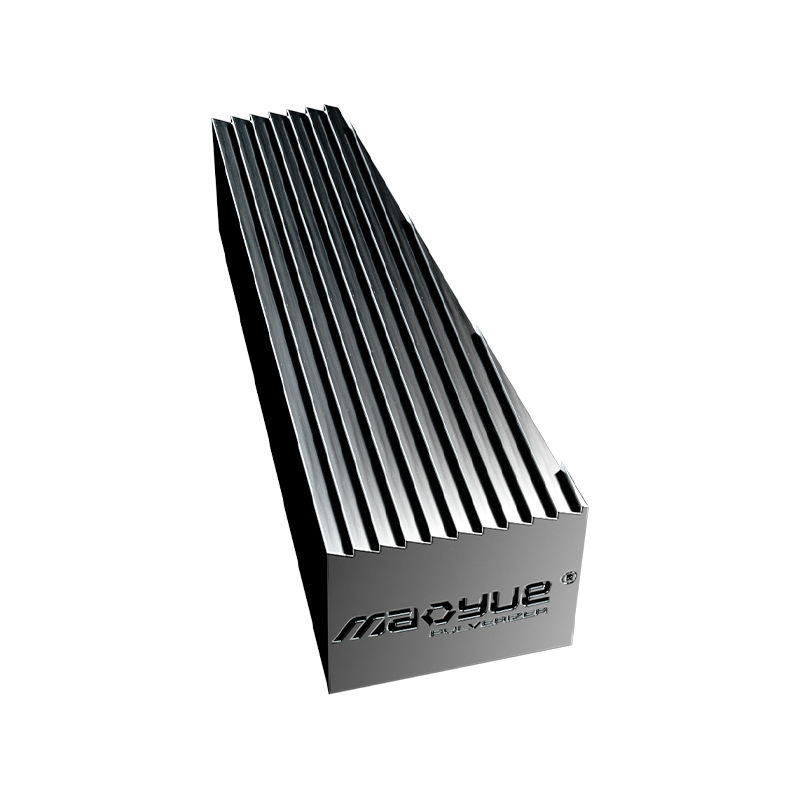
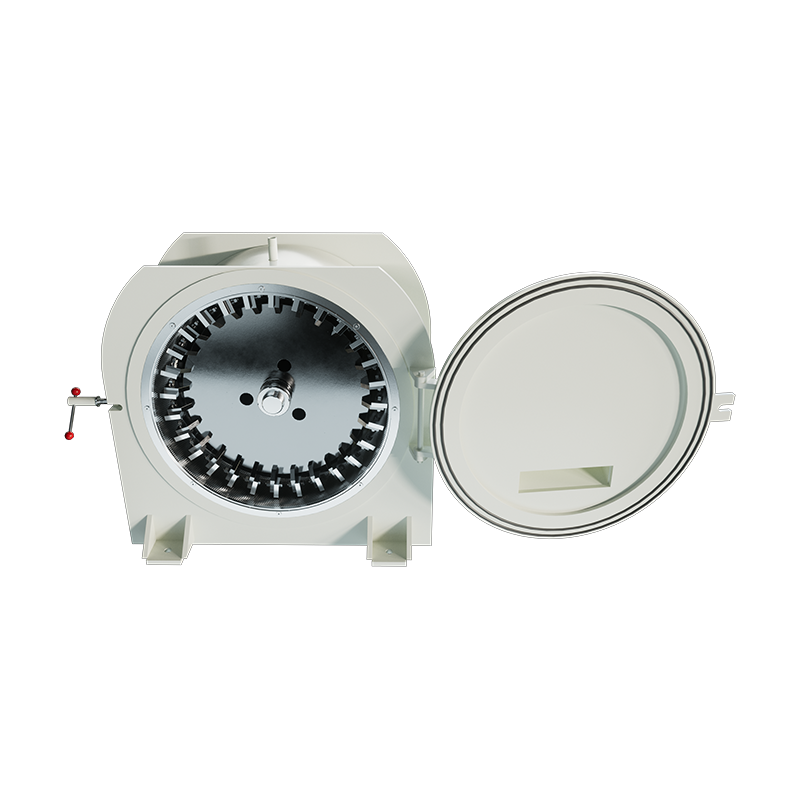
The pulverizer machine blade is the critical component that determines the efficiency, output quality, and operational cost of any plastic grinding system. High-quality blades can extend service life by up to 300% compared to standard carbon steel options, significantly reducing downtime and maintenance expenses.
Material Selection for Optimal Performance
Choosing the right material for your pulverizer machine blade is essential for handling different types of plastics. The hardness, toughness, and wear resistance of the blade directly impact its ability to maintain sharpness and resist chipping during high-speed operations.
Common Blade Materials
- Tool Steel (D2, D3): Offers excellent wear resistance and hardness (HRC 58-62). Ideal for abrasive materials like glass-filled nylon or mineral-filled PP. Typically lasts 2-3 times longer than standard steel.
- High-Speed Steel (HSS): Provides good balance between toughness and wear resistance. Suitable for general-purpose grinding of HDPE, LDPE, and PS. Cost-effective for medium-volume operations.
- Tungsten Carbide Tipped: Features extreme hardness (HRC 70+) at the cutting edge. Best for highly abrasive or reinforced plastics. Although initial cost is higher, it can reduce blade replacement frequency by 50-70%.
- Stainless Steel (420, 440C): Used primarily for food-grade or medical plastic recycling where corrosion resistance is critical. Slightly lower wear resistance than tool steel but prevents contamination.
Blade Geometry and Design Considerations
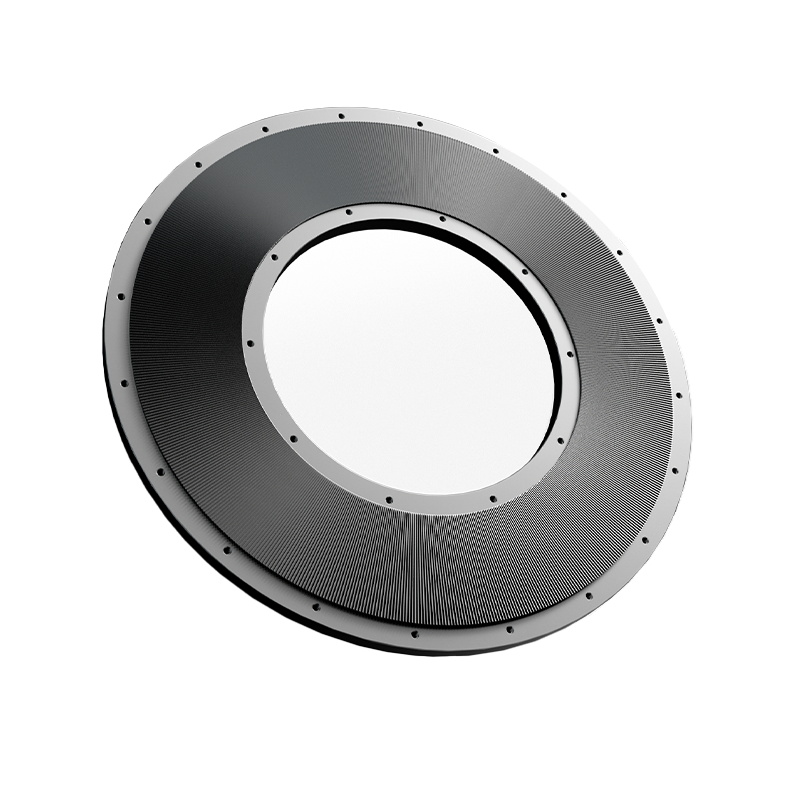
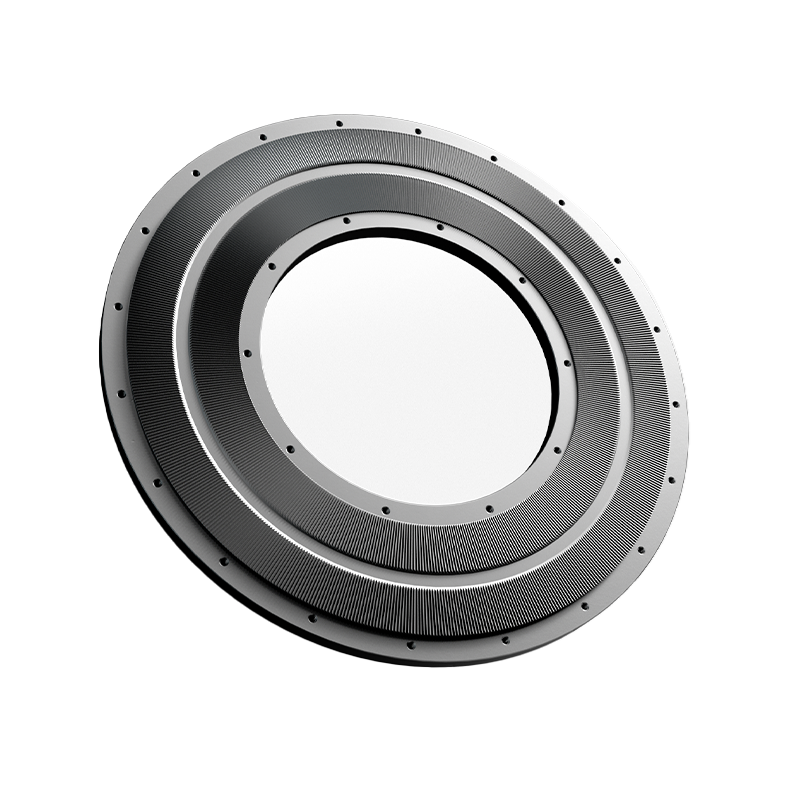
Beyond material, the geometric design of the pulverizer machine blade influences cutting efficiency and heat generation. Proper geometry ensures clean cuts rather than tearing, which reduces dust formation and improves particle uniformity.
| Design Feature | Function | Best For |
|---|---|---|
| Hook Angle | Determines cutting aggressiveness | 15-20° for brittle plastics; 25-30° for tough films |
| Edge Thickness | Affects durability vs. sharpness | Thinner edges for fine powder; thicker for heavy chunks |
| Surface Finish | Reduces friction and material buildup | Polished surfaces for sticky materials like PVC |
| Number of Teeth | Influences cut frequency and smoothness | More teeth for finer grind; fewer for higher throughput |
Maintenance Strategies to Extend Blade Life
Proper maintenance of the pulverizer machine blade is crucial for consistent performance. Neglecting routine care can lead to premature wear, increased energy consumption, and poor product quality.
- Regular Sharpening: Dull blades increase motor load by up to 25%. Sharpen blades every 100-150 operating hours or when particle size consistency drops. Maintain the original bevel angle to preserve cutting efficiency.
- Balancing Checks: Unbalanced blades cause vibration, leading to bearing failure and uneven wear. Check balance after every sharpening session using a dynamic balancer. Imbalance should not exceed 5 grams per blade set.
- Gap Adjustment: Maintain precise clearance between rotating and stationary blades. Typical gap ranges from 0.1mm to 0.3mm. Too large causes inefficient grinding; too small risks collision and damage.
- Cleaning Protocol: Remove resin buildup after each shift, especially when processing sticky materials like PVC or TPU. Use appropriate solvents that do not corrode the blade material.
Cost-Benefit Analysis of Premium Blades
While premium pulverizer machine blades have a higher upfront cost, their long-term value often outweighs initial savings from cheaper alternatives. Understanding the total cost of ownership helps make informed purchasing decisions.
Premium blades can reduce annual maintenance costs by 40-60% through less frequent replacements and lower energy usage. For a facility running 20 hours daily, switching from standard HSS to tungsten carbide-tipped blades might increase initial investment by $500 but save over $2,000 annually in labor, downtime, and energy costs.
Additionally, consistent particle size from well-maintained premium blades improves the quality of recycled material, potentially increasing its market value by 10-15%. This makes the investment in high-quality pulverizer machine blades a strategic decision for profitability and operational excellence.