

 English
 русский
 Español
 عربى
عربى 中文简体
中文简体
 中文简体
中文简体
Content
The Critical Role of Pulverizing in Plastic Recycling
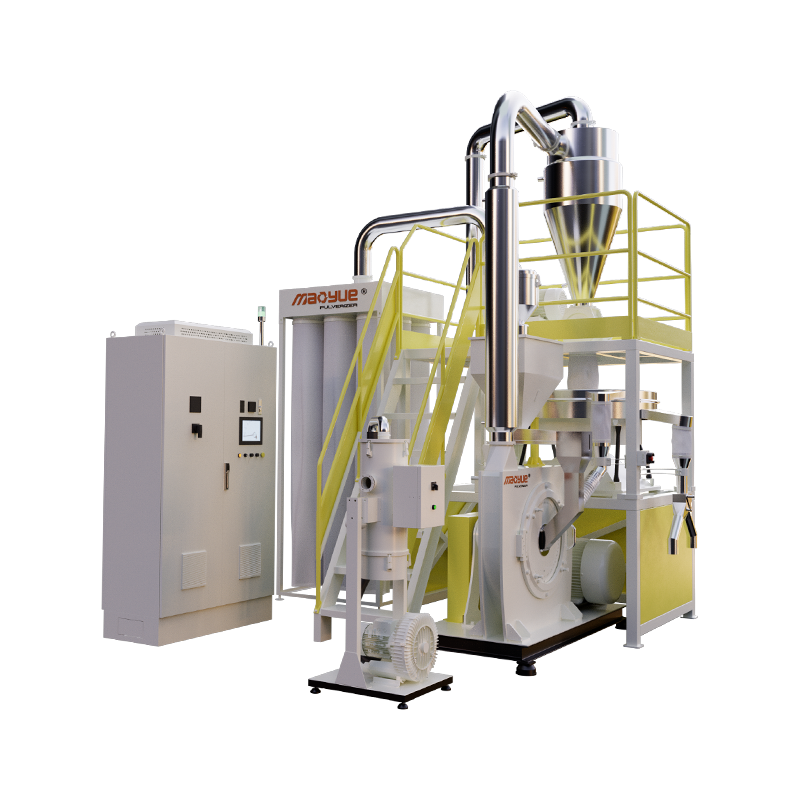
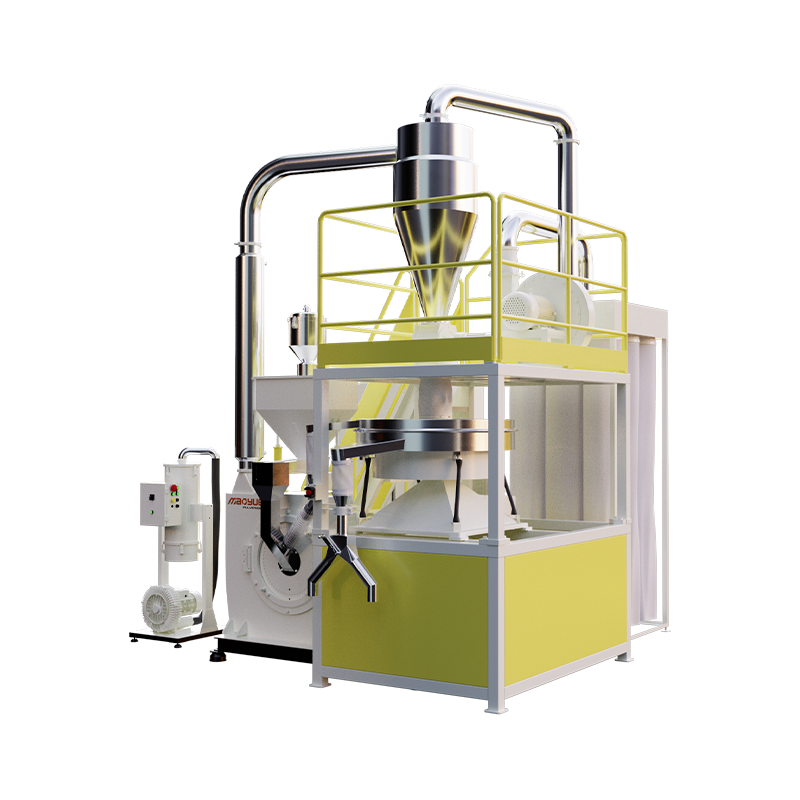
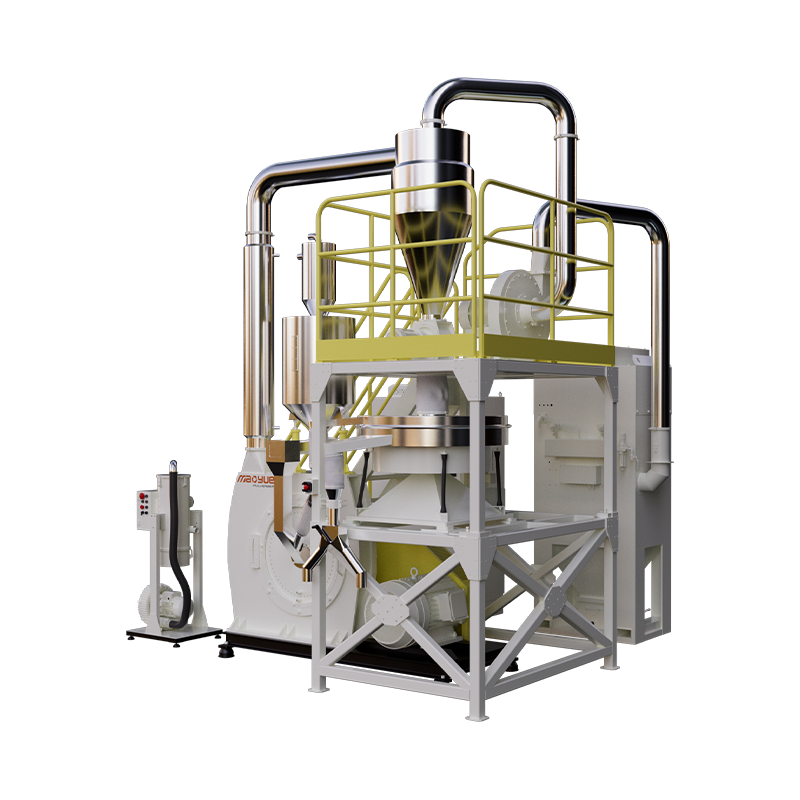
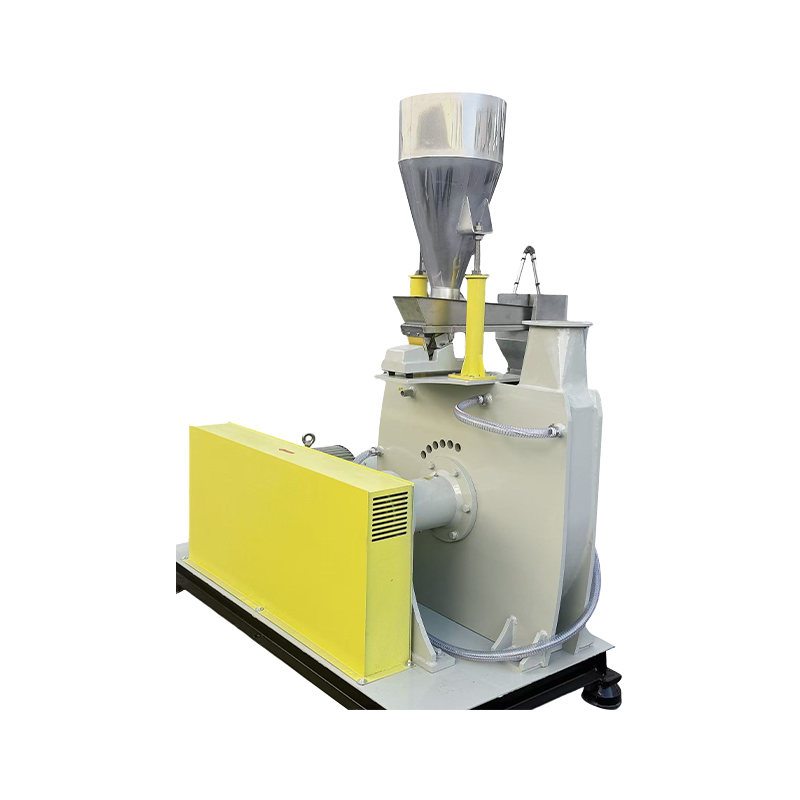
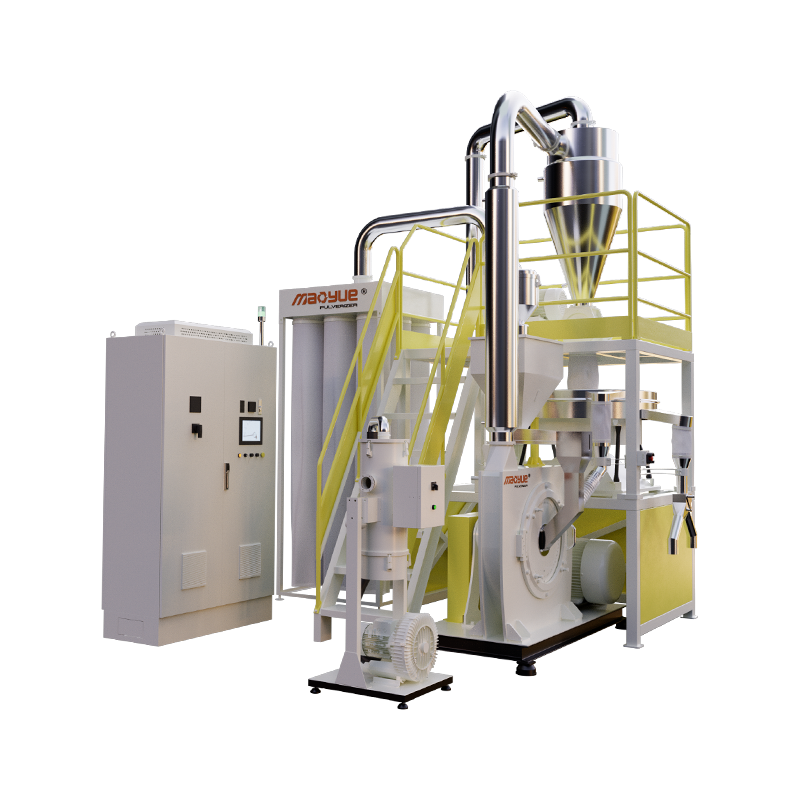
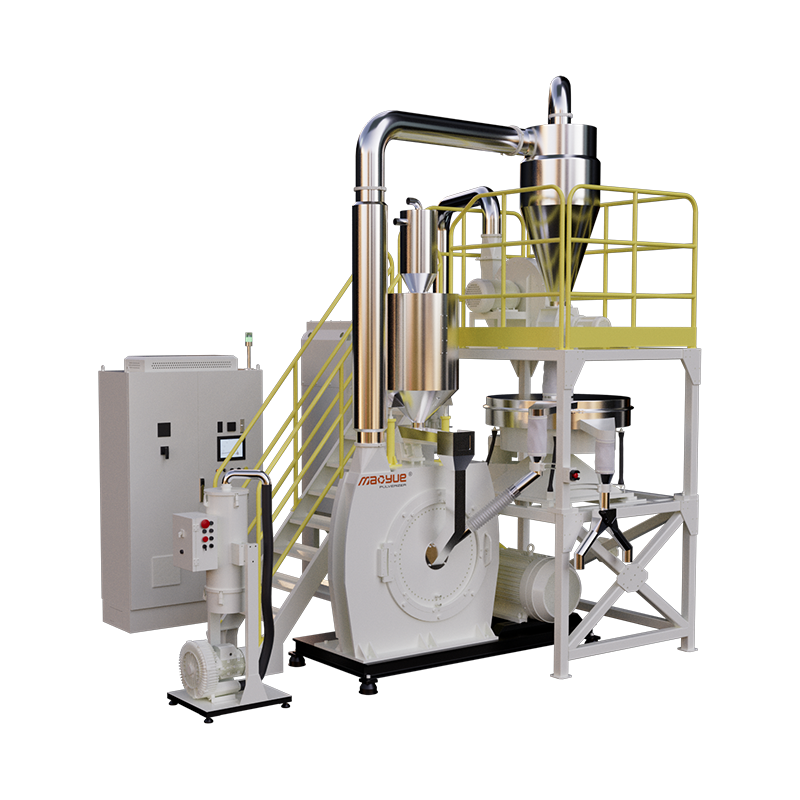
A PP PE pulverizer machine is essential for converting polypropylene (PP) and polyethylene (PE) waste into fine powder, enabling high-value recycling applications. These machines use high-speed rotating discs or hammers to impact and shear plastic materials, reducing them to particles typically between 20 to 100 mesh. This fine consistency is crucial for manufacturing new plastic products, such as pipes, films, and injection-molded items, ensuring material homogeneity and structural integrity.
Unlike standard granulators that produce irregular chips, pulverizers deliver a uniform powder form. This distinction is vital for industries requiring precise material flow and mixing capabilities. The efficiency of a PP PE pulverizer directly impacts the profitability of recycling operations by minimizing energy consumption and maximizing output quality.
Key Components and Working Principles
Understanding the internal mechanics of a pulverizer helps in optimizing its performance. The core operation relies on kinetic energy transfer from rotating elements to the plastic feedstock.
Rotating Discs and Hammers
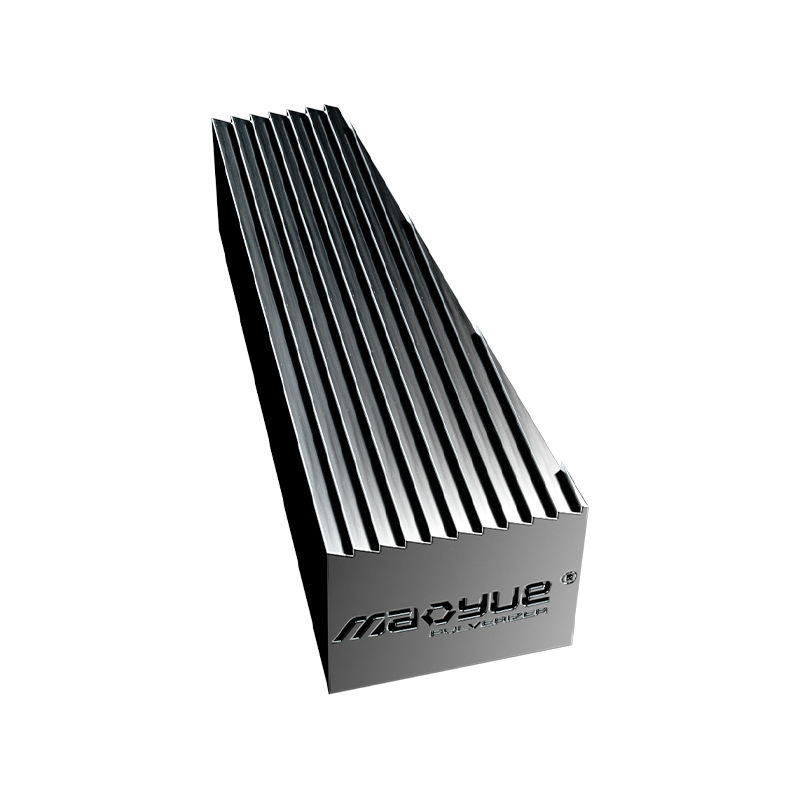
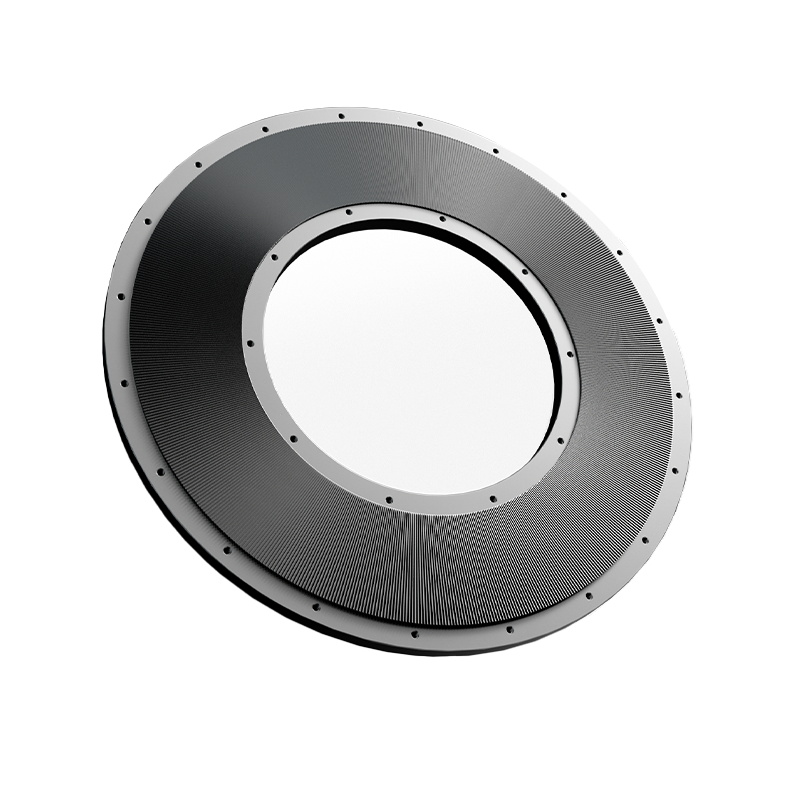
The primary grinding action occurs between stationary and rotating discs equipped with hardened steel hammers or teeth. As the main shaft rotates at speeds often exceeding 1,400 RPM, the hammers strike the plastic pieces, breaking them down through impact and friction. For tough materials like HDPE, specialized alloy hammers are required to resist wear and maintain sharpness over extended operational cycles.
Cooling Systems
Friction generates significant heat during pulverization, which can cause PP and PE to melt and clog the machine. Effective cooling systems, such as water-jacketed chambers or air-cooling fans, are indispensable. Maintaining the material temperature below 60°C ensures that the plastic remains brittle enough to fracture cleanly rather than deform.
Selecting the Right PP PE Pulverizer
Choosing the appropriate machine depends on several factors, including input material type, desired output size, and production volume. Making an informed decision prevents costly downtime and ensures consistent product quality.
| Machine Type | Best For | Output Size Range | Energy Efficiency |
|---|---|---|---|
| Disc Mill Pulverizer | Fine powder production | 20-100 mesh | High |
| Hammer Mill Pulverizer | Coarse to medium grinding | 10-40 mesh | Medium |
| Turbine Pulverizer | High-volume processing | 30-80 mesh | Very High |
For facilities processing mixed PP and PE waste, a turbine pulverizer often offers the best balance of throughput and particle consistency. It utilizes air flow to assist in material transport and cooling, reducing the risk of thermal degradation.
Maintenance Best Practices for Longevity
Regular maintenance is non-negotiable for sustaining the performance of a PP PE pulverizer machine. Neglecting routine checks can lead to premature wear of critical components and unexpected production halts.
- Inspect Hammer Wear: Check hammers every 50-100 hours of operation. Replace them if weight loss exceeds 10% of the original mass to maintain balancing and grinding efficiency.
- Clean Air Filters: Clogged filters reduce airflow, leading to overheating. Clean or replace filters weekly depending on dust levels in your facility.
- Lubricate Bearings: Apply high-temperature grease to main shaft bearings every 200 hours to prevent friction-induced failure.
- Check Belt Tension: Loose belts slip and reduce power transmission. Ensure tension is adjusted according to the manufacturer’s specifications monthly.
Implementing a preventive maintenance schedule can extend the lifespan of your pulverizer by up to 40%, significantly lowering long-term operational costs.
Conclusion
Investing in a high-quality PP PE pulverizer machine is a strategic move for any plastic recycling business aiming for premium output. By understanding the working principles, selecting the right type based on specific needs, and adhering to strict maintenance protocols, operators can achieve consistent, high-fine powder production. This not only enhances the value of recycled materials but also contributes to a more sustainable circular economy.