

 English
 русский
 Español
 عربى
عربى 中文简体
中文简体
 中文简体
中文简体
Content
The Critical Role of Fine Grinding in Plastic Recycling
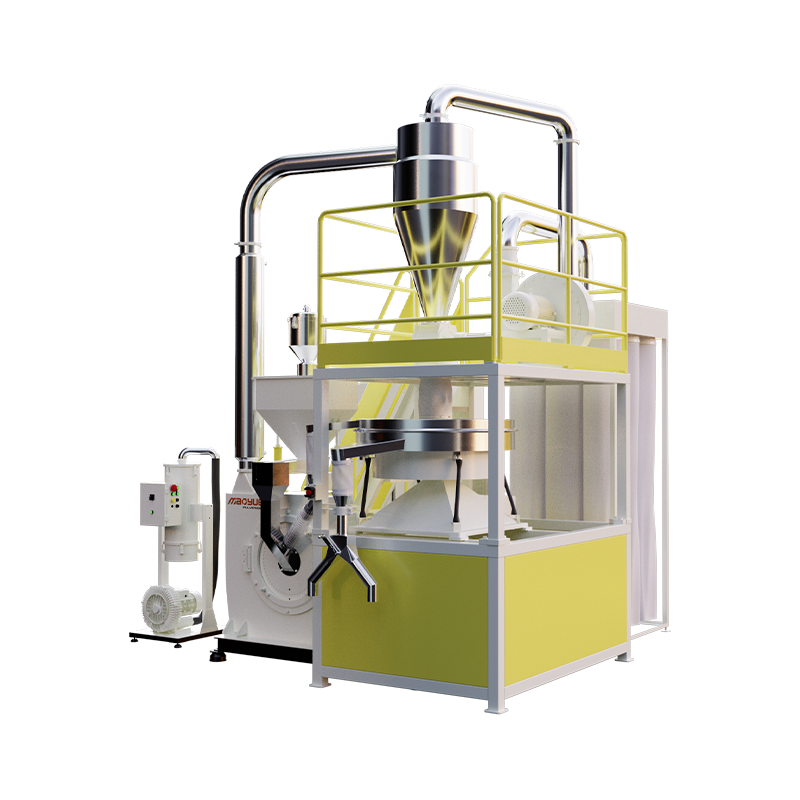
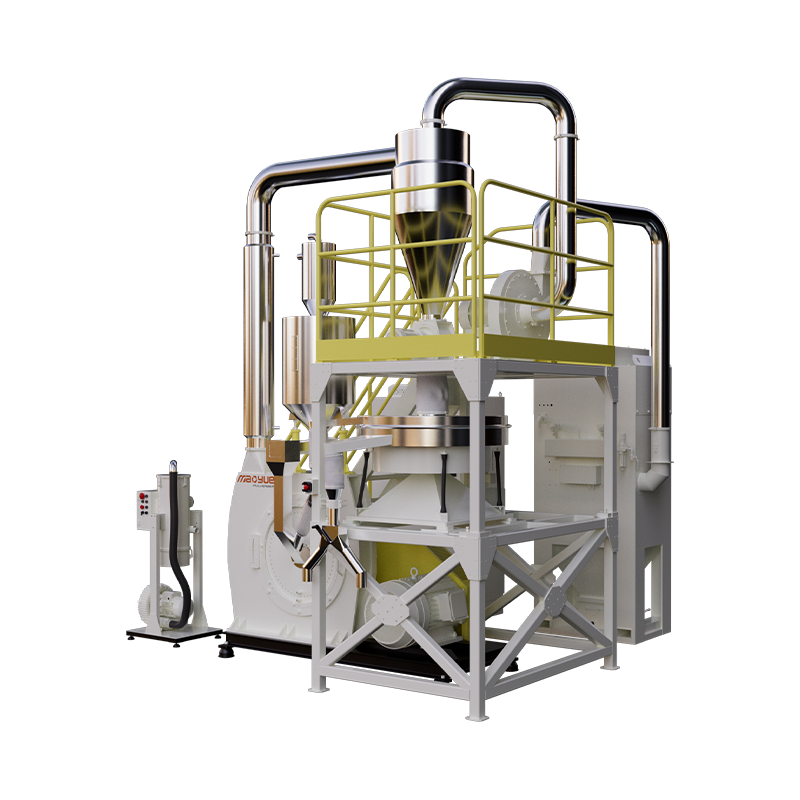
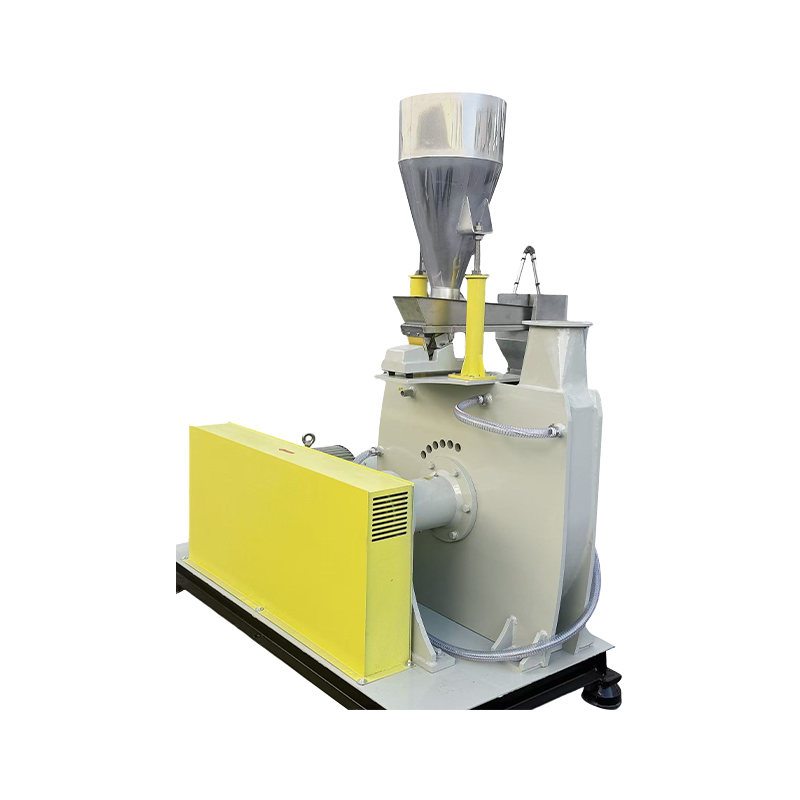
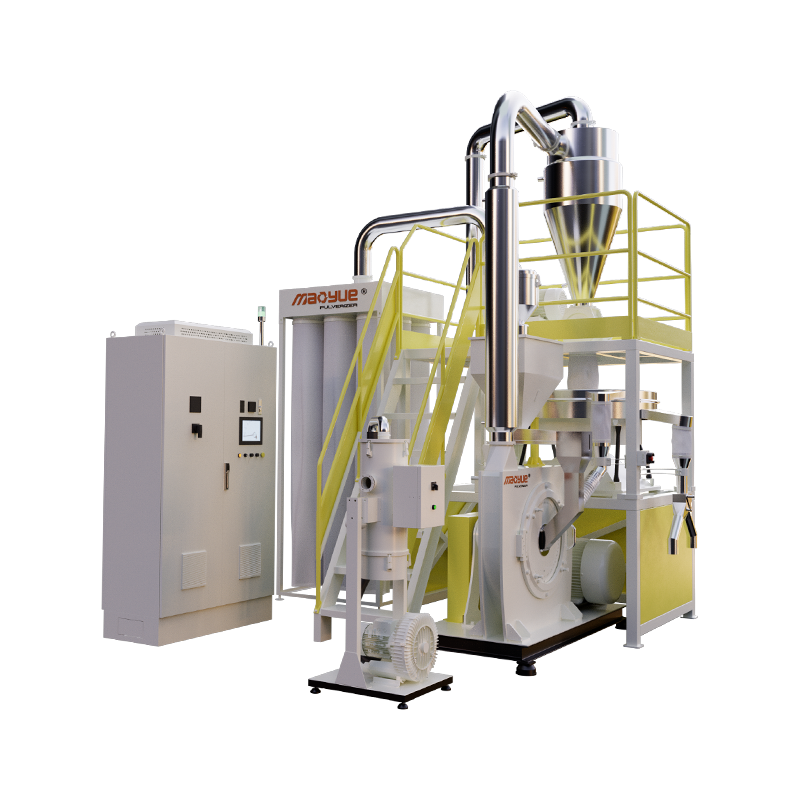
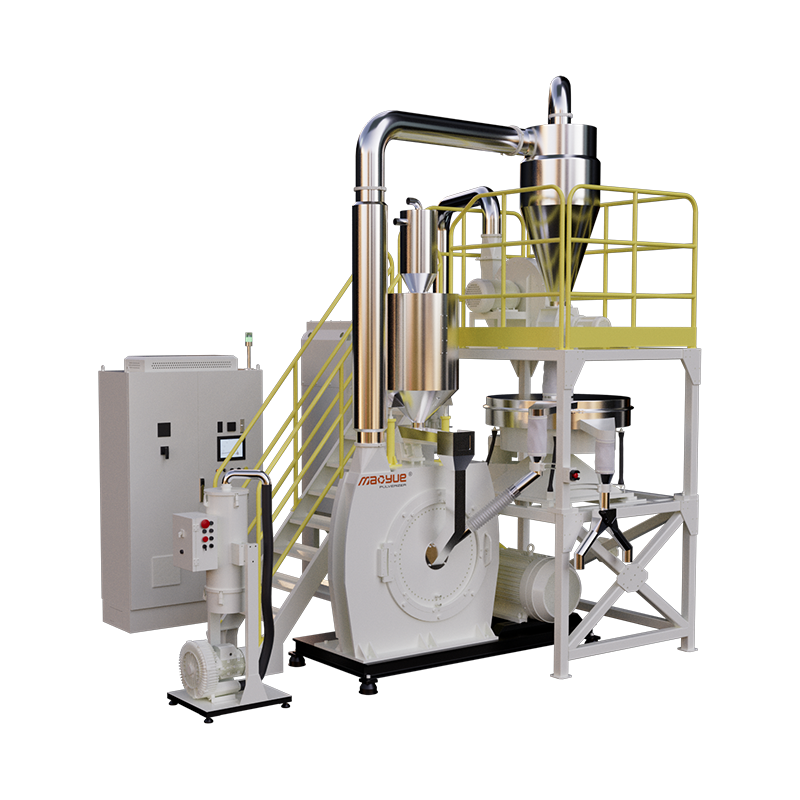
A PP PE pulverizer machine is the definitive solution for transforming coarse plastic flakes into high-quality micron-sized powder, a necessary step for advanced recycling applications. While shredders and granulators reduce bulk plastic waste into manageable pieces, only a pulverizer can achieve the fine consistency required for rotational molding, powder coating, and high-value extrusion processes. This equipment bridges the gap between raw waste recovery and premium material manufacturing.
The primary advantage of using a dedicated pulverizer for Polypropylene (PP) and Polyethylene (PE) is the ability to control particle size distribution with precision. Standard grinding often results in irregular shapes and excessive dust, but modern pulverizers utilize specific rotor designs and cooling systems to produce uniform, spherical particles. This uniformity improves flowability and melting consistency, directly enhancing the quality of the final recycled product. For recyclers, this means accessing higher-margin markets that demand strict material specifications.
Mechanical Principles and Machine Types
Understanding the mechanical operation of a pulverizer helps in selecting the right model for specific PP and PE materials. The two most common types are disc mills and hammer mills, each offering distinct advantages depending on the desired output and material characteristics.
Disc Mill Pulverizers
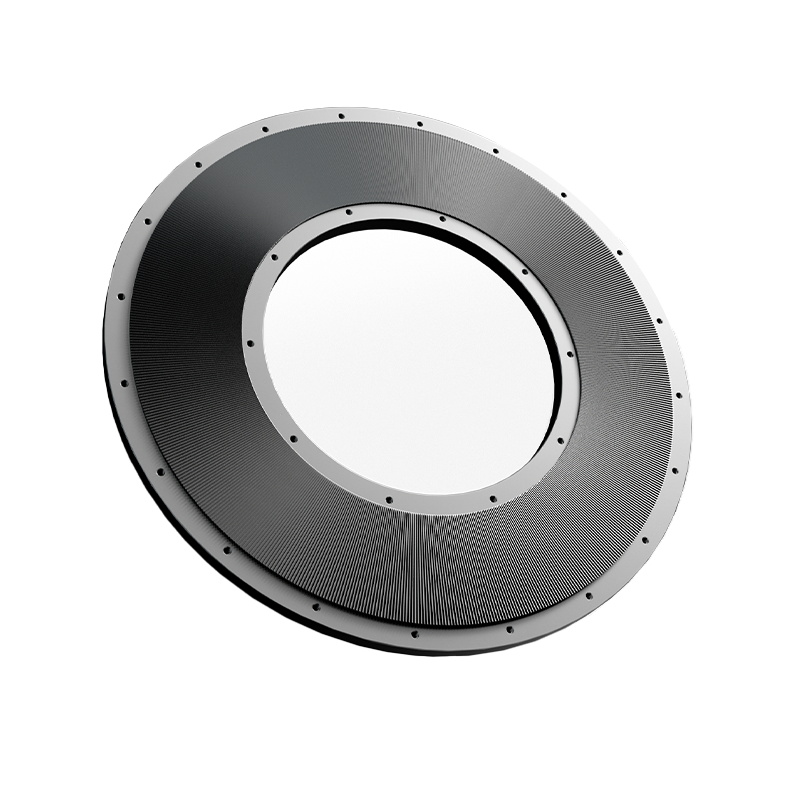
Disc mills utilize two counter-rotating discs equipped with serrated teeth or pins. As the material enters the center, centrifugal force pushes it outward through the grinding zone. The gap between the discs determines the final particle size, allowing for adjustments from 20 mesh to 100 mesh. This design is particularly effective for PP and PE films and fibers, as it generates less heat than hammer mills, reducing the risk of melting sticky plastics. Disc mills are known for their low noise levels and consistent output quality.
Hammer Mill Pulverizers
Hammer mills use high-speed rotating hammers to impact the material against a stationary screen or liner. This type is robust and suitable for harder PP materials, such as injection-molded parts or pipes. While they offer high throughput, hammer mills generate more heat due to friction and impact. Therefore, they often require integrated water cooling systems to prevent the PE or PP from softening and clogging the screen. They are ideal for applications where slight irregularity in particle shape is acceptable.
| Feature | Disc Mill | Hammer Mill |
|---|---|---|
| Particle Shape | Uniform/Spherical | Irregular |
| Heat Generation | Low | High |
| Best For | Films, Fibers, Soft PP | Hard Lumps, Pipes, Rigid PE |
| Maintenance Frequency | Moderate | High (Screen/Hammer Wear) |
Optimizing Output Quality and Efficiency
Achieving high-quality powder from PP and PE requires more than just running the machine; it demands careful control of operational parameters. Temperature management and feed consistency are the two most critical factors influencing performance.
Temperature Control Systems
PP and PE have relatively low melting points, typically between 130°C and 170°C. Friction during pulverization can rapidly raise the material temperature, causing it to melt and stick to the grinding components. To prevent this, high-efficiency pulverizers incorporate water cooling jackets around the grinding chamber and sometimes even cooled air injection. Maintaining the material temperature below 60°C ensures that the plastic remains brittle enough to shatter into fine particles rather than deforming.
Feed Material Preparation
The input material must be properly pre-ground. Feeding large chunks directly into a pulverizer will cause jams and excessive wear. Ideally, the feed stock should be granulated into pieces no larger than 10-12 mm. Additionally, removing contaminants such as metal, paper, or other plastic types is essential, as foreign objects can damage the delicate teeth of the disc or break the hammers, leading to costly downtime and repairs.
- Use a vibrating sieve to remove oversized particles and recycle them back into the hopper
- Monitor amperage draw to detect overloading or dull grinding components
- Ensure the airflow system is balanced to transport powder efficiently without clogging
- Regularly check belt tension to maintain consistent rotor speed
Maintenance Best Practices and Safety
Like any heavy industrial machinery, a PP PE pulverizer requires regular maintenance to ensure longevity and safe operation. Neglecting routine checks can lead to catastrophic failures, while a proactive approach minimizes downtime and extends the life of wearing parts.
Wear Part Management
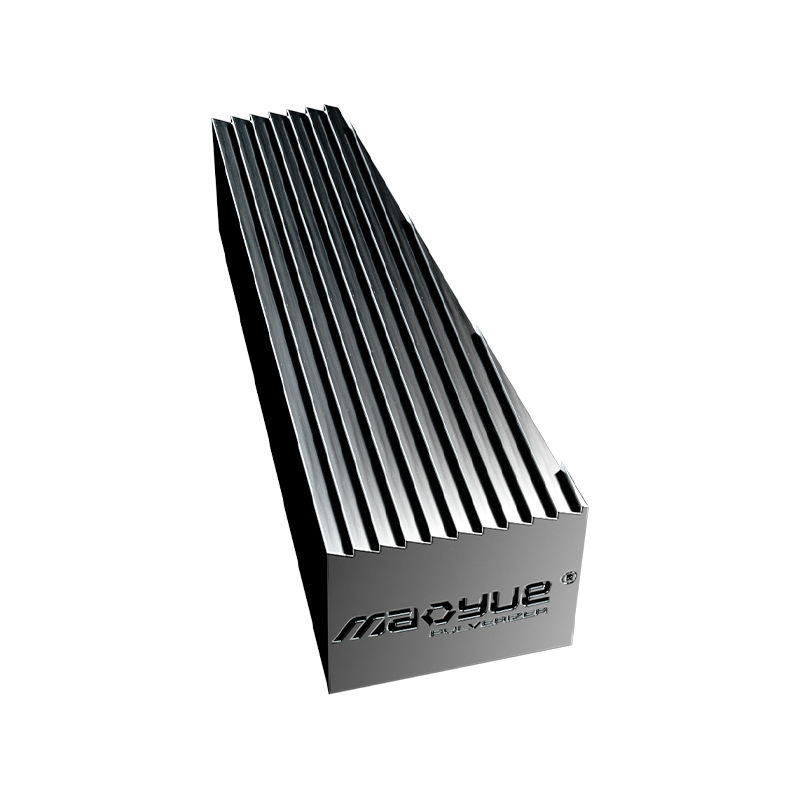
The grinding teeth, discs, hammers, and screens are subject to constant abrasion. Inspect these components weekly for signs of wear. Dull teeth reduce grinding efficiency and increase heat generation, while worn screens can allow oversized particles to pass through, compromising product quality. Most manufacturers recommend replacing or sharpening grinding elements after 500-800 hours of operation, depending on the hardness of the processed material. Keeping spare parts on hand ensures quick replacements and minimal production interruption.
Safety Protocols
Pulverizers operate at high speeds and generate significant noise and dust. Operators must wear appropriate personal protective equipment, including hearing protection, safety glasses, and dust masks. Ensure that all safety interlocks are functional; the machine should not start if the maintenance door is open. Regularly clean the motor and electrical panels to prevent dust accumulation, which can pose a fire hazard. Implement a lockout/tagout procedure during any maintenance work to protect personnel from accidental startup.
- Lubricate bearings according to the manufacturer’s schedule to prevent overheating
- Check for air leaks in the piping system to maintain suction efficiency
- Clean the dust collector filters regularly to prevent backpressure
- Train operators on emergency stop procedures and jam clearing techniques
In conclusion, a PP PE pulverizer machine is an indispensable asset for recyclers aiming to produce high-value plastic powder. By understanding the differences between disc and hammer mills, implementing effective cooling strategies, and adhering to strict maintenance routines, operators can maximize output quality and machine lifespan. Investing in the right pulverization technology not only enhances product consistency but also opens doors to lucrative markets in rotational molding and advanced composite manufacturing.