

 English
 русский
 Español
 عربى
 中文简体
 中文简体
Content
- 1 What Should You Check Before Recycling SPC Flooring Scrap?
- 2 How to Choose a PVC Pulverizer for SPC Flooring Scrap
- 3 How Does an SPC Flooring Scrap Crushing and Pulverizing Line Work?
- 4 What Powder Quality Is Required for Reuse in SPC Flooring Production?
- 5 How to Compare PVC Pulverizer Performance and Operating Costs
- 6 Why Choose Mao Yue for Your SPC Flooring Scrap Pulverizing Project?
- 7 What Information Should You Provide When Discussing a PVC Pulverizing Solution with Mao Yue?
- 8 FAQs About SPC Flooring Scrap Recycling
- 9 Conclusion: Choose a PVC Pulverizer Around Your Material and Reuse Requirements
Edge trim, profiling scrap, and rejected boards from SPC flooring production can become reusable material after appropriate processing. However, scrap from different sources can vary in formulation, dimensions, and attached materials. Motor power and equipment price alone are not enough to select a suitable pulverizer.
Equipment selection can be approached through four areas: material characteristics, reuse requirements, equipment configuration, and costs. Define what you need to process and how the powder will be used before deciding on the machine and supporting equipment.
This article focuses on SPC flooring production scrap generated within a factory. Used flooring from mixed sources or with an unknown service history requires additional assessment of contamination, sorting, and reuse suitability.
What Should You Check Before Recycling SPC Flooring Scrap?

Scrap Composition: PVC, Calcium Carbonate, and Other Materials
SPC flooring cores typically contain PVC, calcium carbonate, and additives needed for processing and product performance. SPC scrap is therefore a compounded material that has already been processed; it should not be treated as pure PVC resin.
When providing material information to an equipment supplier, include the filler content, particle size distribution and characteristics, formulation consistency, and whether different batches are collected together. Filler characteristics, impurities, and processing history all inform knife wear and powder reuse assessments. The label "rigid PVC" alone is not enough to predict equipment performance.
Pulverizing primarily reduces material size. It does not separate the PVC, calcium carbonate, and additives in the original formulation or restore significantly heat-damaged material to virgin material.
Core-Only Edge Trim vs. Flooring Scrap with Surface Layers or Backing
Core-only edge trim from a known source and with a consistent formulation generally makes it easier to establish repeatable recycling and reuse conditions. Scrap that has undergone surface-layer or backing application may contain materials that differ from the core, so its composition and treatment requirements need separate assessment.
Collect scrap separately by source and assess each category before deciding whether to process it together. Being able to grind a material into powder does not mean that the powder can be returned directly to the original SPC formulation.
How to Choose a PVC Pulverizer for SPC Flooring Scrap
Match the Rotor, Rotational Blade, and Fixed Knives to Your Material and Production Requirements
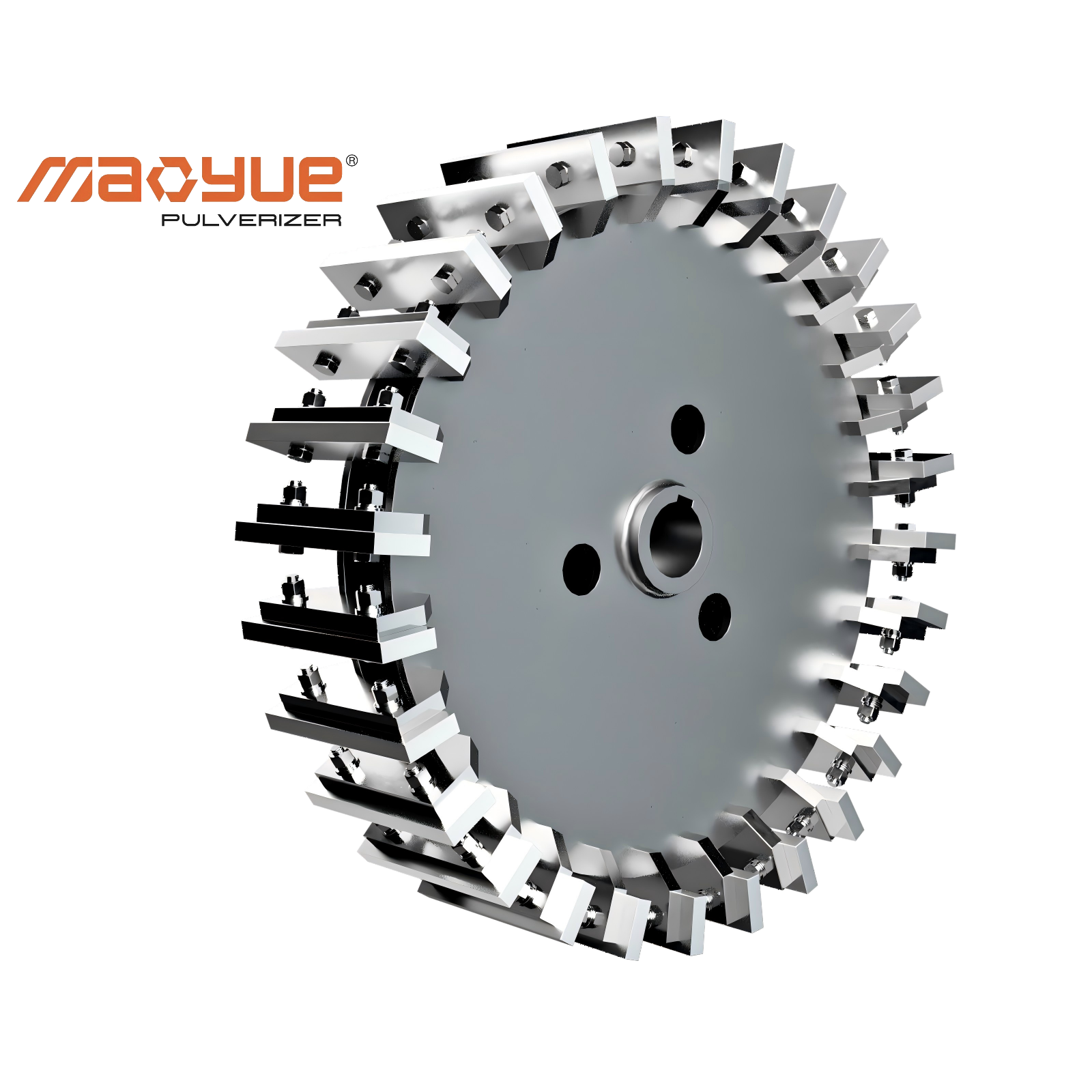
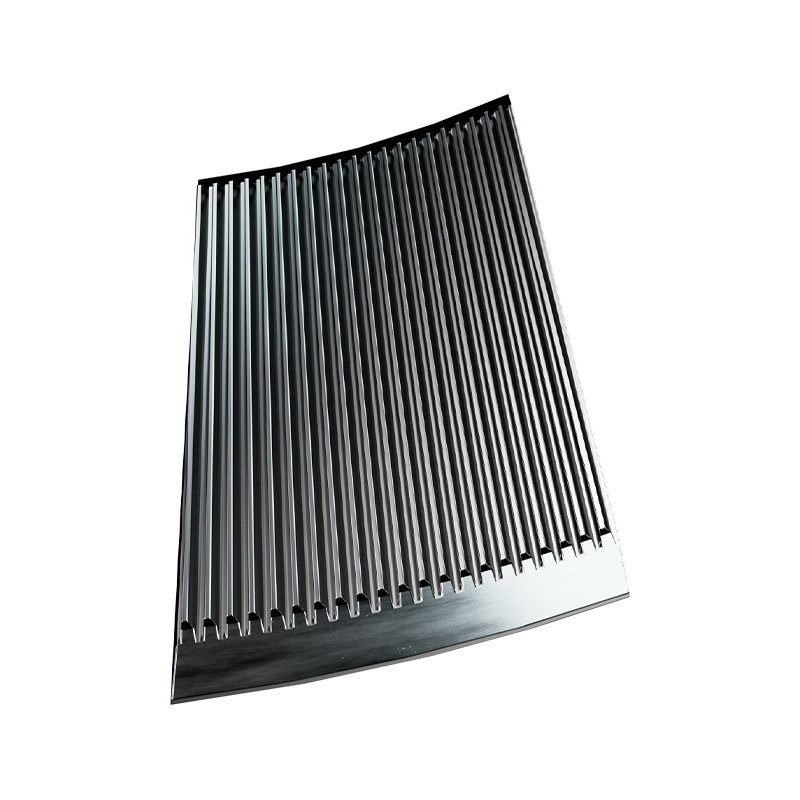
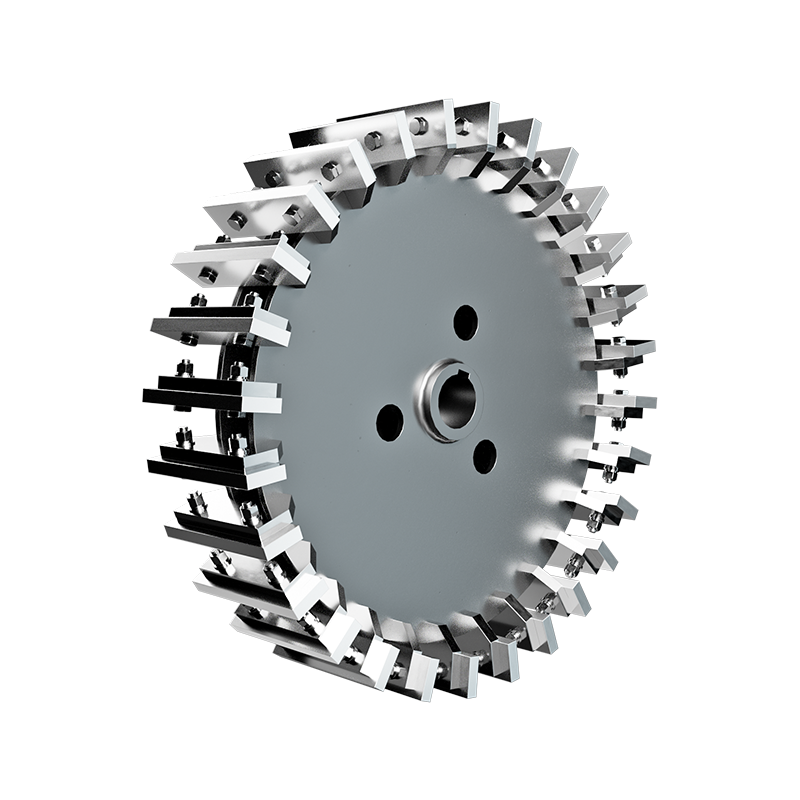
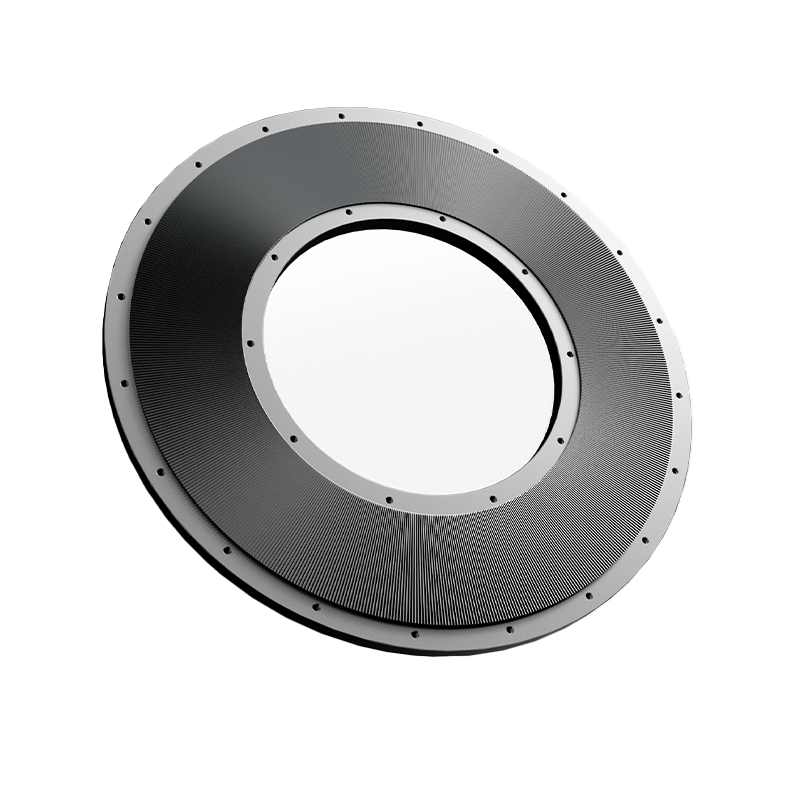
In a rotor-type PVC pulverizer, the rotor drives the movable knives, which work with the toothed plates to cut and reduce the material. Selection should focus on whether the knife and toothed plate configuration, working gap, and permitted feed conditions suit the actual SPC scrap.
Buyers can provide material photographs, formulation information, and samples of crushed scrap so the supplier can assess cutting component selection and feed requirements.
Confirm the material, heat treatment, and machining quality of the specific cutting components. Hardness is a useful reference, but service life also depends on cutting geometry, assembly condition, feedstock, and operating conditions.
Evaluate Air Cooling, Water Cooling, and Feeding Systems

Cooling capacity needs to match the feed load. Large feed surges or sustained overloading make temperature control more difficult. The feeding system must also accommodate the size and shape of the crushed material.
Equipment combining air and water cooling uses both methods to remove heat generated during pulverizing. Before purchase, review the selected model’s cooling system components, cooling-water inlet and outlet connections, water supply requirements, and temperature monitoring arrangements against the conditions available at your site.
Whether a chiller is needed depends on the machine’s requirements and the available cooling facilities. Where a chiller is required, clarify its connections and compatibility requirements with the supplier, and confirm whether it is included in the quotation.
Compare Production Capacity at the Target Particle Size
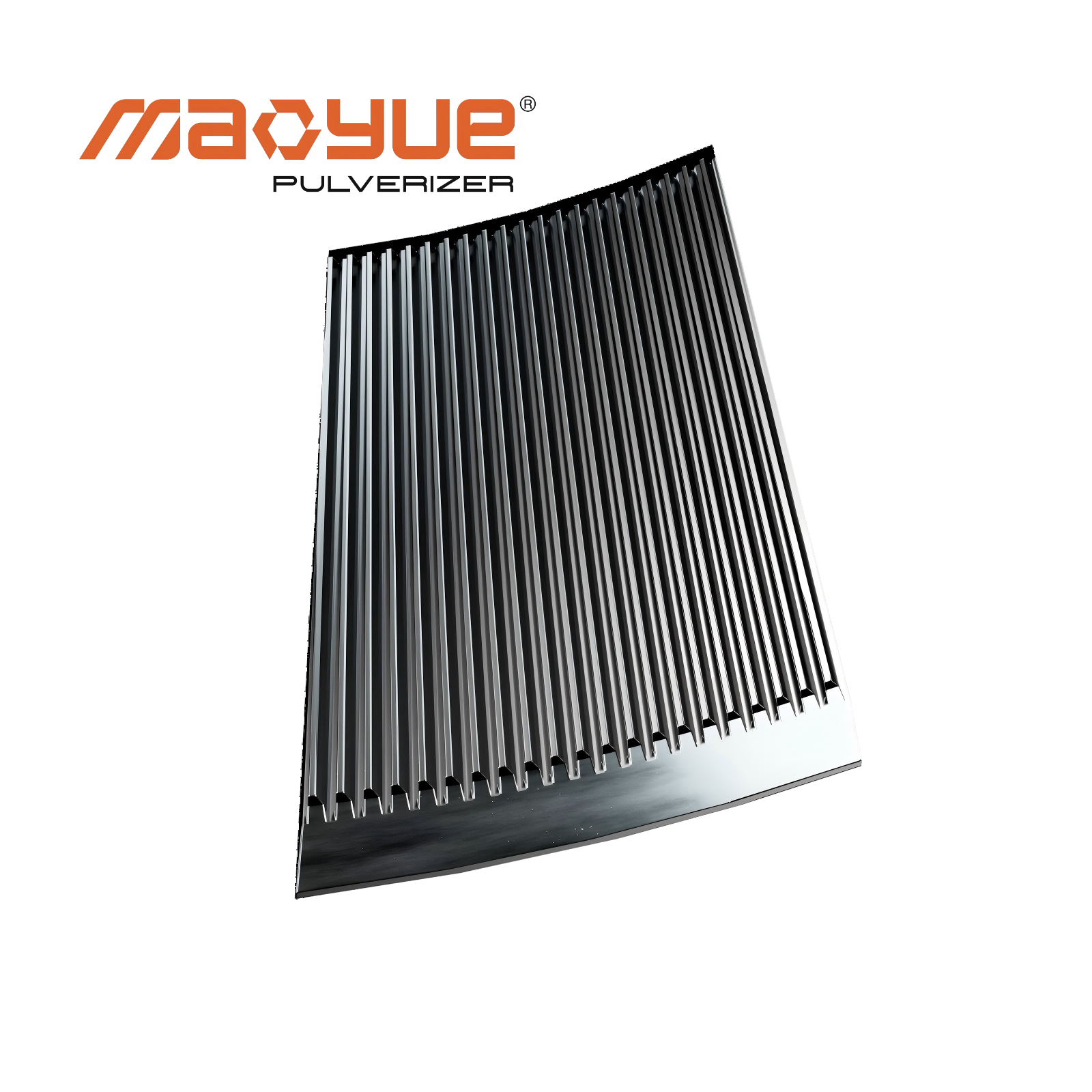
Capacity comparisons are meaningful only when the powder meets the agreed requirements. The same machine may deliver different throughput with different SPC formulations or feed sizes. Screening and oversize return conditions also affect final output.
Use the following basis:
Conforming powder output rate = Mass of final powder meeting the agreed specification during the measurement period ÷ Corresponding operating time.
Distinguish feed quantity, total discharge, and conforming powder output. Do not count recirculated material more than once in final output.
Evaluate Knife Wear, Maintenance Requirements, and Replacement Costs
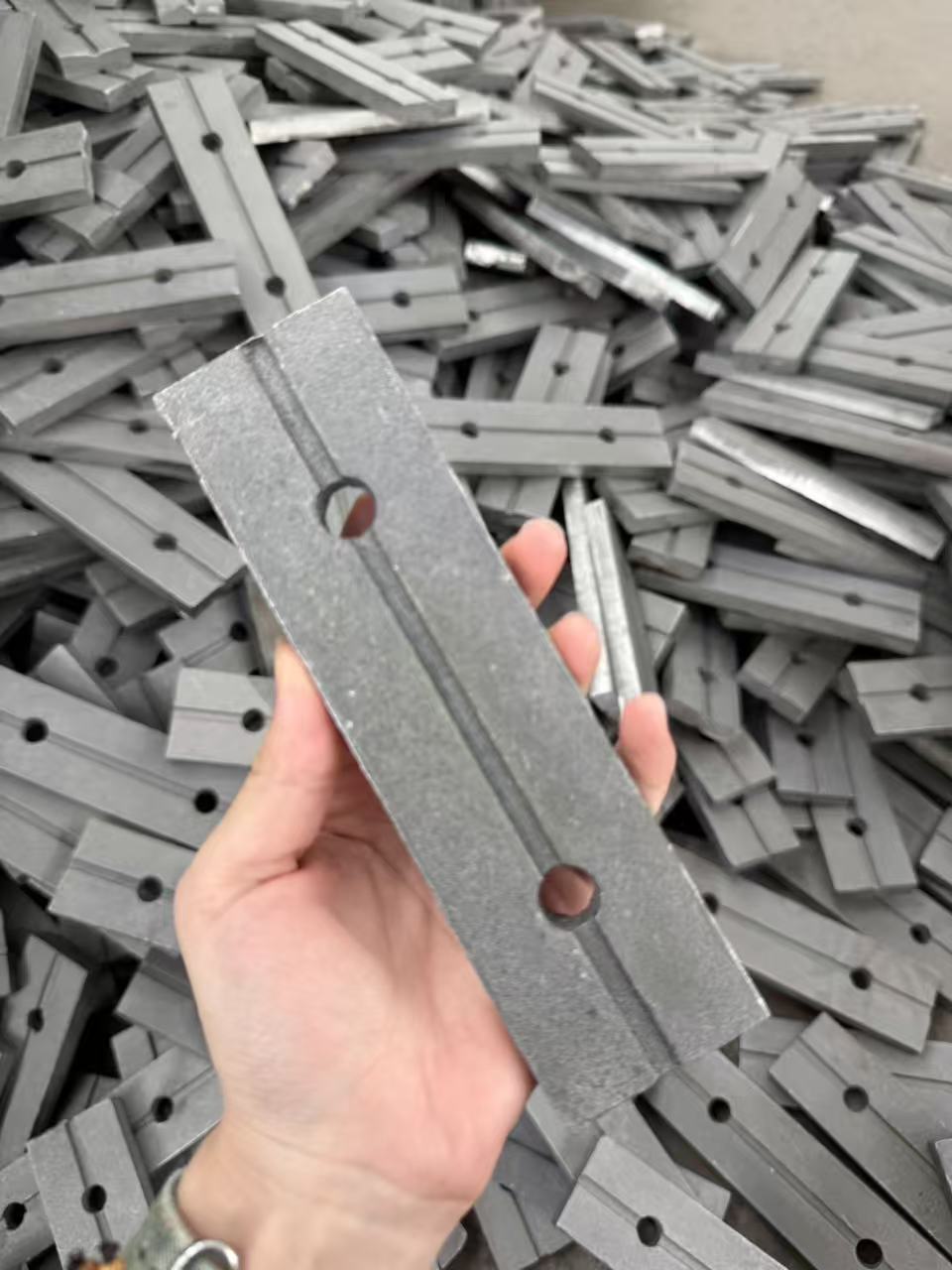
Knife wear may appear as changes in cutting edges, working gaps, or processing performance. Compare inspection findings for the Rotational Blade and Fixed Knives with operating records to plan maintenance and replacement.
Filler content is one factor in wear assessment. Filler particle size distribution, shape, and impurities should be considered alongside cutting component material, heat treatment, the working gap between the Rotational Blade and Fixed Knives, feed load, and temperature. Record these conditions when comparing knife life across SPC formulations; calcium carbonate content alone does not establish the rate of wear.
Before purchase, confirm inspection and replacement procedures, whether resharpening is permitted, the required dimensions after resharpening, and the gap and assembly checks needed during reinstallation. Reconditioning limits differ between components, so repeated resharpening should not be assumed to be possible for every cutting part.
Spare parts cause times also matter for flooring factories that generate scrap continuously. A lower equipment price can be offset by downtime and accumulated scrap if replacement knives are not consistently available.
How Does an SPC Flooring Scrap Crushing and Pulverizing Line Work?
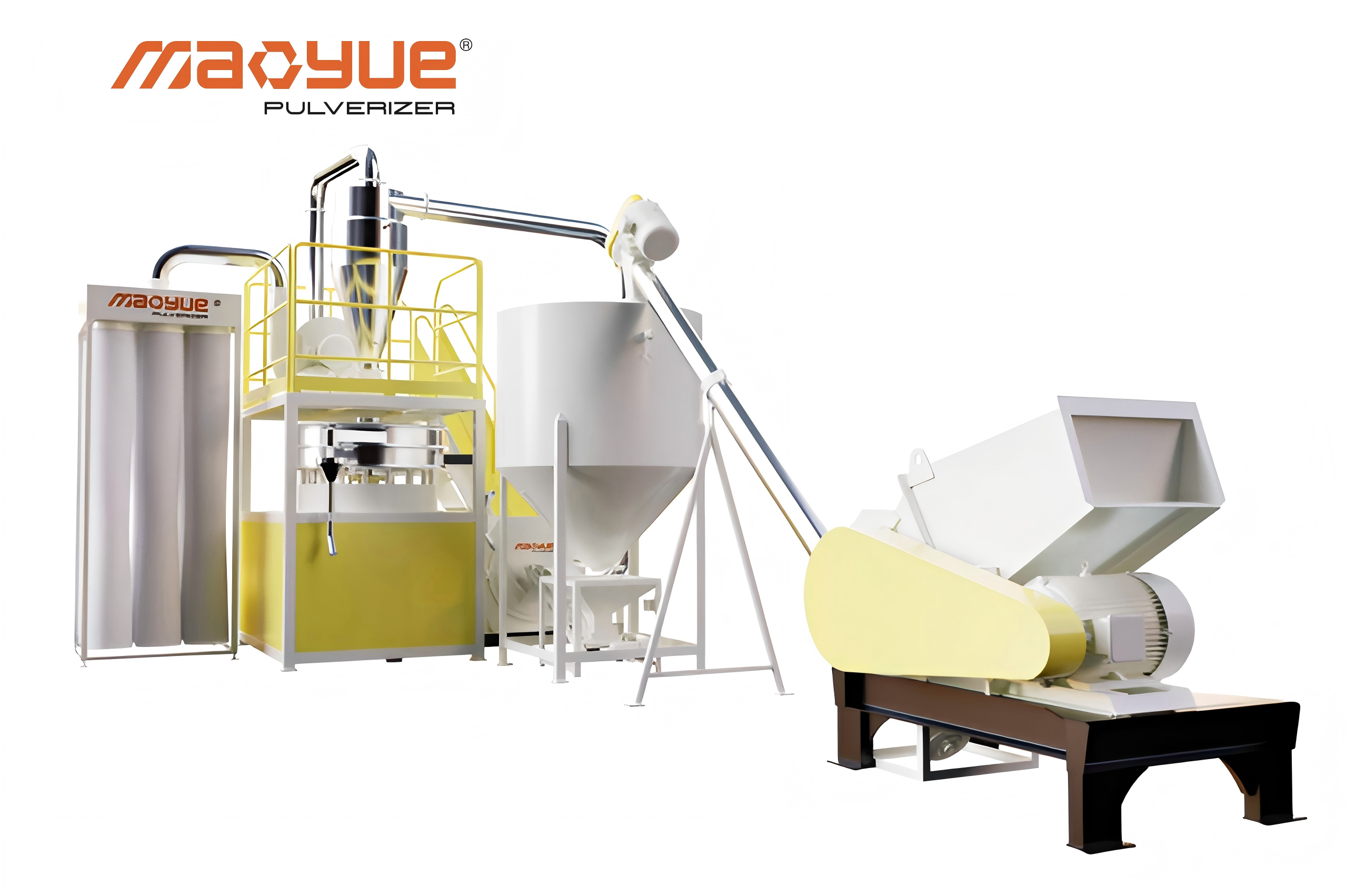
Sorting, Pre-Treatment, and Crushing
Recycling starts with material management. Identify suitable scrap, remove incompatible materials and foreign objects, and crush the material to meet the pulverizer's feed requirements. Select metal-contamination protection according to the source of the material at the site.
Long strips of edge trim and large boards generally require size reduction first. Crushed material must meet the downstream machine's feed requirements; the fact that it has been crushed does not automatically make it suitable for direct pulverizing.
Feeding, Pulverizing, Cooling, Screening, and Powder Collection
A typical process follows this sequence:
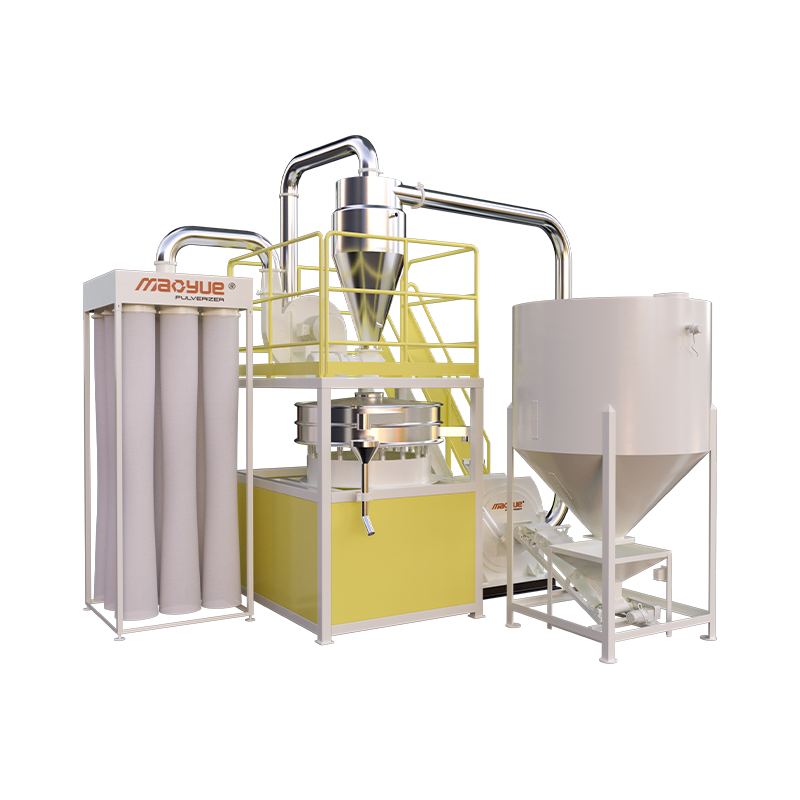
Scrap sorting → Pre-treatment and crushing → Consistent feeding → Pulverizing and cooling → Screening → Powder collection → Reuse validation.
Screening controls the particle size distribution of the final powder. Depending on the configuration, oversized material can return to the pulverizer. Excessive recirculation calls for checks of the feed, cutting components, gap, and screening conditions, rather than simply increasing the feed rate.
Powder collection and dust extraction form part of the overall system. Match the capacities of the pulverizer, conveying equipment, screens, and collection equipment to avoid a bottleneck in the line.
What Powder Quality Is Required for Reuse in SPC Flooring Production?
Particle Size, Particle Size Distribution, and Oversized Particle Control
There is no single particle size requirement that applies to all recycled SPC formulations and production lines. Establish powder specifications according to downstream mixing, feeding, extrusion, and finished-product requirements, then select pulverizing and screening conditions accordingly.
Acceptance testing can use a sieve analysis method agreed by both parties, with the records shown below. When fineness is expressed as a mesh number, identify the sieve standard and actual aperture size. Use consistent sampling and testing conditions when comparing batches.
For example, a 100 g sample tested on a single sieve of an agreed aperture leaves 8 g on the sieve and 92 g below it, with full mass recovery. The retained fraction is 8%, and the passing fraction is 92%. This is a calculation example, not a universal acceptance standard for recycled SPC powder. With a sieve stack, record the mass retained on each sieve and calculate cumulative passing percentages according to the test method.
Powder Consistency, Impurity Content, and Suitability for Reuse
In addition to particle size, check cleanliness, color consistency, agglomeration, and actual feeding and mixing behavior. Material with unusual discoloration or known heat damage needs separate assessment; further grinding does not resolve these issues.
Passing sieve analysis still needs to be followed by reuse validation in production. Evaluate mixing and extrusion performance against the factory's quality standards, and inspect finished-product appearance, dimensional stability, and other specified properties.
Recycled SPC powder contains the original calcium carbonate and additives as well as PVC. It therefore cannot replace pure PVC resin on an equal-weight basis. Set the addition rate according to the powder's composition and adjust the other ingredients to maintain the required formulation proportions.
How to Compare PVC Pulverizer Performance and Operating Costs
Test Your Actual SPC Flooring Scrap Under Representative Production Conditions
Trial samples should reflect normal production, including typical thickness, formulation, and surface layers. Where a factory processes several scrap categories, test them separately before assessing combined processing.
Trials should cover operation after the machine has warmed up. At different times, record feed continuity, load, temperature, conforming powder output, and the corresponding sample results to assess sustained performance. For continuous-production projects, check whether the trial duration is representative. Compare suppliers using the same powder requirements and test methods, and record differences in equipment configuration.
A short trial can establish basic suitability and processing performance. Knife life requires longer-term operating records and cannot be extrapolated directly from a single brief test.
Compare Energy, Wear, and Downtime Costs per Tonne of Conforming Powder
Purchase costs should cover the equipment scope, necessary supporting facilities, installation, and initial spare parts. Operating costs include electricity, cutting components and resharpening, maintenance labor, downtime, and handling of nonconforming powder, without double counting.
Calculate specific energy consumption as follows:
Here, is the measured total electrical energy consumed within the agreed equipment boundary and measurement period, in kWh. is the mass of final collected powder meeting the agreed specification during that period, in tonnes (t). The result, , is expressed in kWh/t. Divide a powder mass measured in kg by 1,000 to convert it to tonnes.
Define the measurement boundaries as follows:
-
Equipment: State whether the pulverizer, blower, screen, conveying equipment, and cooling auxiliaries are included. Include a chiller's electricity consumption in the relevant system when fitted, and specify whether pre-crushing equipment is included. Use the same boundary when comparing options.
-
Time: Record the start and end of the measurement period, and state whether startup, warm-up, idle running, and shutdown are included. Energy and final conforming powder mass must correspond to the same period. Account for material remaining in the equipment and work in progress at the beginning and end to avoid distortions from output crossing measurement periods.
-
Output: Count only final conforming powder, rather than feed quantity or total discharge. Include the energy used to process recirculated material, but do not count that material repeatedly in conforming powder mass.
For example, if measured consumption is 120 kWh and final conforming powder output is 0.8 t within the same period and equipment boundary, specific energy consumption is 150 kWh/t. These figures illustrate the calculation and do not represent the performance of a particular machine.
Main motor rated power is expressed in kW. It is not a measurement of actual electrical energy consumption or energy use per tonne of powder.
Where long-term data are unavailable, estimate scenarios using different knife lives, maintenance frequencies, and utilization rates. State the assumptions and their effect on total costs.
Why Choose Mao Yue for Your SPC Flooring Scrap Pulverizing Project?
In-House Cutting Component Manufacturing for Selection and Replacement
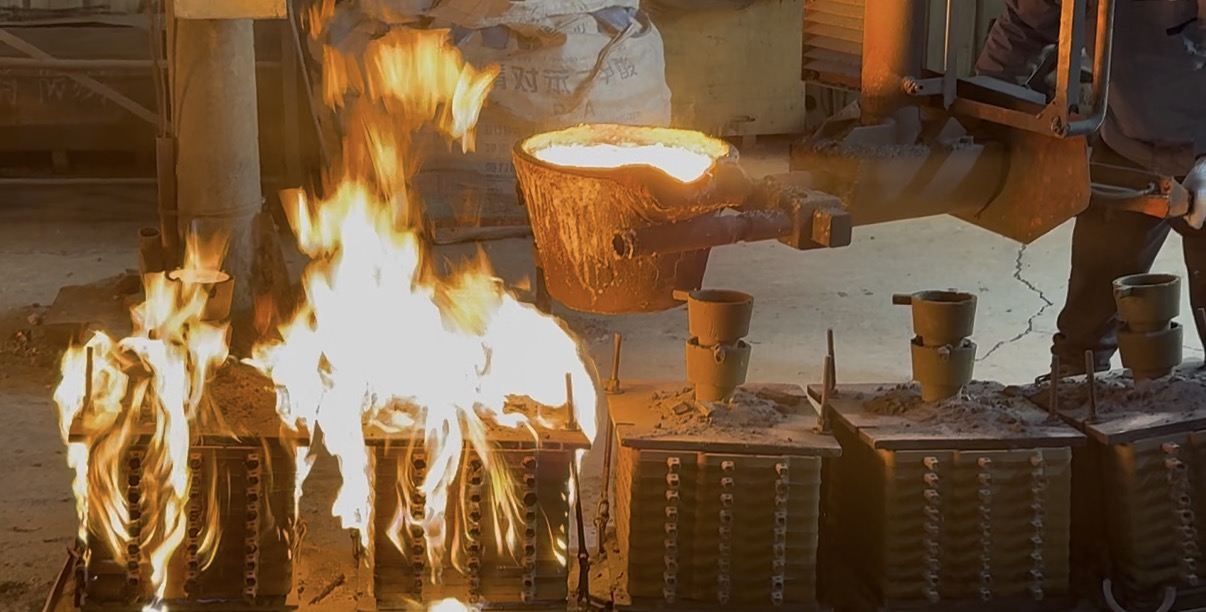
Mao Yue manufactures pulverizer cutting components in-house, using CNC machining and critical dimensional checks to control dimensions, cutting edges, and assembly fit. For SPC scrap containing mineral fillers, customers can discuss movable knife and toothed plate materials and machining requirements directly with the manufacturer, linking component selection to their actual material.
This capability also provides a direct point of contact for replacement parts. Selection for new machines and spare parts orders can be based on agreed drawings, dimensions, and inspection requirements, making it easier to check replacement parts against the existing rotor and mounting positions. Customers can also use wear records to discuss spare parts specifications and delivery schedules for maintenance planning.
Material Trials to Support Equipment Selection
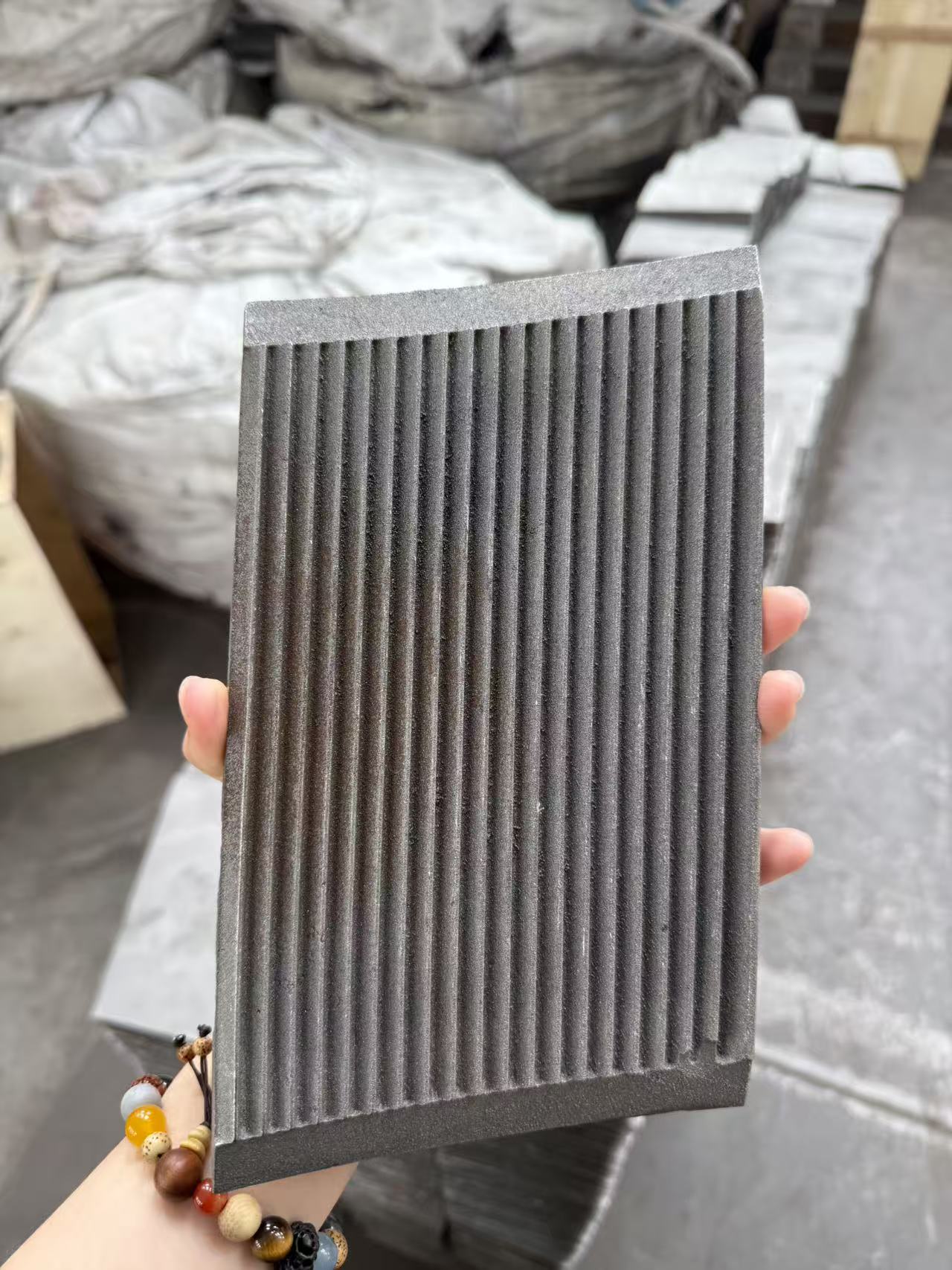
Mao Yue provides material trial support to assess Rotational Blade, Fixed Knives, and process configurations using customers' SPC scrap samples. Customers can use the trial requirements described above when discussing a proposal, then use the results to assess machine size and configuration adjustments for their materials and production needs.
Cooling and Line Integration with a Defined Scope of Supply
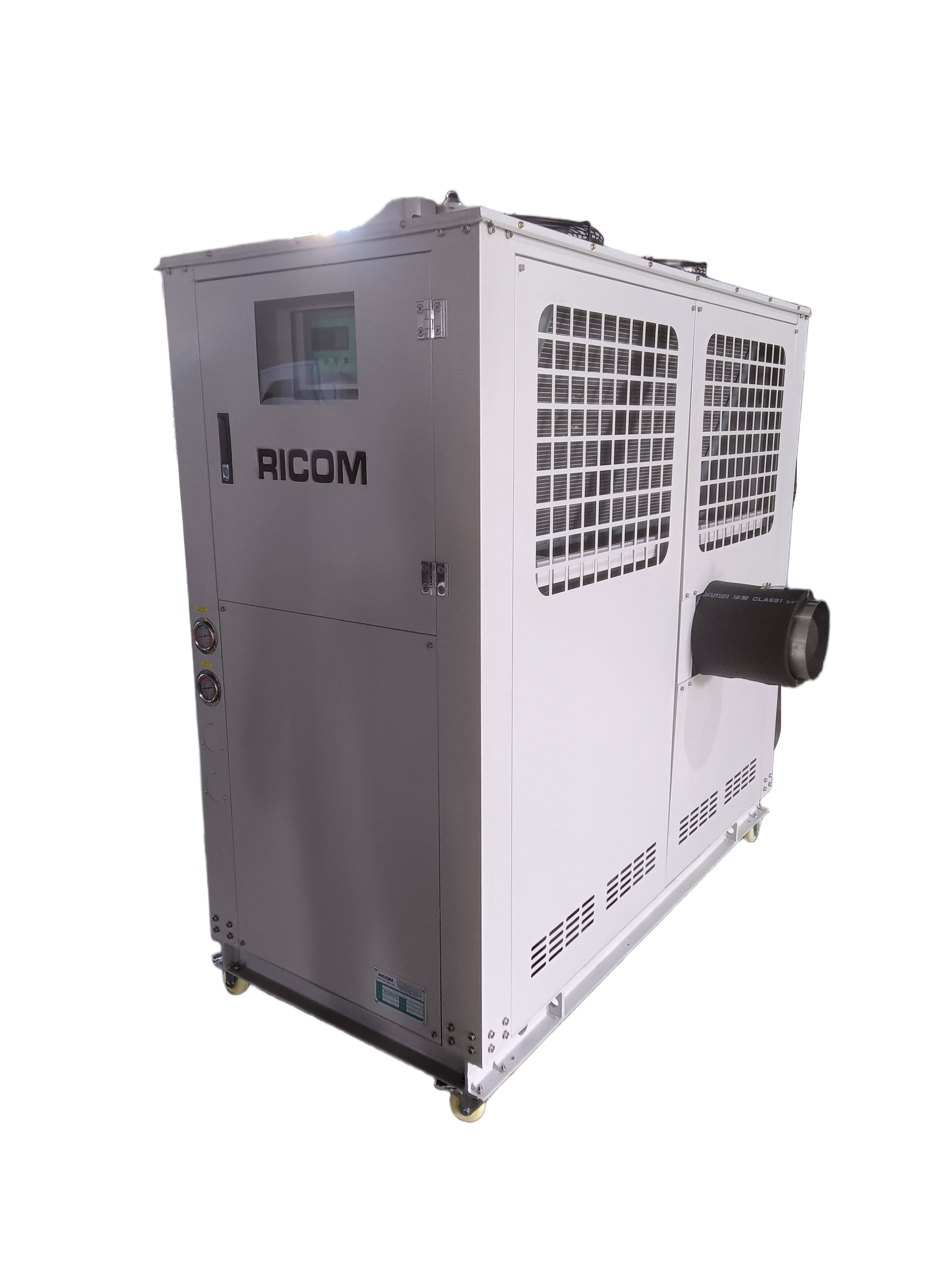
Mao Yue supplies pulverizers, crushing equipment, and related parts. Air- and water-cooling configurations for its PVC pulverizers can be assessed against the material, operating load, and site conditions. Customers can discuss feeding, temperature control, conveying, screening, and collection within one proposal, checking equipment interfaces and capacities.
For factories with existing equipment, this helps identify which units can be integrated and which supporting items need to be added. Defining installation requirements, the scope of supply, and operating and maintenance support in the purchase proposal reduces the risk of discovering missing interfaces or equipment after delivery.
What Information Should You Provide When Discussing a PVC Pulverizing Solution with Mao Yue?
Prepare the following information to help assess processing conditions and equipment configuration for your SPC scrap. Information that reflects actual production makes it easier to define trial objectives and the quotation scope.
If a complete powder specification is not yet available, start with photographs, material source, and intended use. Mao Yue can discuss the conditions that need further clarification before moving on to sample trials and equipment configuration.
FAQs About SPC Flooring Scrap Recycling
Can SPC Flooring Edge Trim Be Fed Directly into a PVC Pulverizer?
It depends on its size, shape, composition, and the machine's permitted feed conditions. Large boards and long strips generally need crushing first. Smaller scrap should also be checked for foreign objects and unsuitable attached materials.
What Particle Size Is Suitable for Recycled SPC Flooring Powder?
The requirement depends on downstream mixing, feeding, and extrusion. There is no fixed mesh number suitable for every SPC formulation. Define particle size distribution and oversized particle limits, then confirm them through pulverizing and reuse trials.
Can SPC Flooring Scrap with Surface Layers or Backing Be Recycled Together?
Do not assume that it can. Identify the composition and proportion of each layer and assess whether separation is needed. A machine's ability to process a mixture does not establish that the resulting powder can be returned directly to the original flooring formulation.
How Much Recycled SPC Flooring Powder Can Be Reused in Production?
Determine the addition rate through trials that consider the original formulation, recycled powder composition, processing history, and finished-product requirements. Equipment suppliers can help assess pulverizing performance, while the final reuse proportion must be supported by production and finished-product test results.
Conclusion: Choose a PVC Pulverizer Around Your Material and Reuse Requirements
An SPC scrap pulverizing project can follow four steps: define the material and reuse route, select the equipment, validate it through trials, and assess costs. Incorporate the confirmed configuration, acceptance requirements, and scope of supply into the purchase proposal.
If you are planning to recycle SPC flooring scrap, you are welcome to contact Mao Yue and share your material details and reuse requirements. We can work from your actual production conditions to discuss suitable equipment configurations and trial arrangements.