

 English
 русский
 Español
 عربى
عربى 中文简体
中文简体
 中文简体
中文简体
Content
Only a small fraction of the plastic waste generated each year is converted back into a usable raw material. Of the plastic that does return to production, most is handled mechanically: sorted, washed, reduced in size, melted, and re-compounded into new products. Among those steps, particle size reduction is where recycling economics are won or lost. The plastic recycling technology used at this stage, and the quality of the pulverizer doing the work, directly controls throughput, energy consumption, powder uniformity, and the final market value of the reclaimed material. A pulverizer that holds a tight particle size window can turn low-grade scrap into a premium feedstock, while one that produces inconsistent powder makes every downstream process more expensive. This article explains how the two main families of plastic recycling technologies compare, why fine grinding matters so much in practice, and what to look for when selecting pulverizing equipment for a recycling operation.
Mechanical and chemical recycling: how they compare
Mechanical recycling is the most widely deployed plastic recycling technology today. It suits clean, single-polymer waste such as PET bottles, HDPE containers, PE film, PP crates, and PVC pipe offcuts. A typical line combines sorting, washing, size reduction, melt filtration, and pelletizing. The output is a flake, powder, or pellet that can re-enter extrusion, injection molding, rotomolding, or masterbatch production. The economics are attractive because the energy input is relatively low and the capital cost of equipment is well understood, but the method depends on feedstock quality. If the input is contaminated or contains mixed polymers, the mechanical route quickly reaches its limit.
Chemical recycling, also called advanced recycling, takes the opposite approach. Instead of melting the plastic, the technology breaks polymer chains back into monomers, hydrocarbon oils, or synthesis gas. Pyrolysis heats plastic without oxygen to produce oil and gas; depolymerization reverses polymerization for specific resins; solvolysis uses solvents to dissolve and separate polymers; and hydrothermal treatment uses compressed water to decompose waste. These routes handle mixed, laminated, or contaminated streams that mechanical lines cannot economically process. The trade-offs are higher energy intensity, more complex process control, and, in many cases, a larger carbon footprint per tonne until the technology matures. Commercial-scale plants are growing, but capacity still lags far behind the volume of plastic waste that mechanical recyclers already process.
For most recyclers, mechanical recycling remains the backbone of their operation, while chemical technologies serve as a complementary outlet for difficult fractions. Both routes depend on good size reduction upstream: chemical reactors need consistent feed dimensions to keep conversion stable, and mechanical lines produce powders whose quality determines downstream performance. A recycler who masters the size reduction step gains leverage across the entire plant.
Why pulverizing quality drives recycling economics
Downstream processes are unforgiving about particle size. Rotomolding, for example, requires PE powder in a narrow range, typically from about 200 to 500 micron, so that the resin melts evenly and fuses without pinholes. Masterbatch and polymer compounding prefer fine powders with stable flow behavior. When a pulverizer produces a wide particle size distribution, the powder segregates in silos, flows poorly through metering equipment, and leaves coarse particles that do not melt completely. The result is rejected parts, extra energy consumption, and lost margin. Measuring the distribution with standard sieve analysis before the powder leaves the plant is the only reliable way to know what the next process will actually receive.
Over-grinding is equally costly. Pushing material finer than the process requires consumes extra power and accelerates wear on blades, discs, and screens. Under-grinding, by contrast, creates oversized particles that must be re-run, effectively halving line capacity. The right plastic recycling technology for size reduction is therefore the one that holds the target fineness at the rated throughput, with stable temperature control and predictable wear. In practice, this means matching the rotor design, grinding disc geometry, and screen configuration to the polymer and the intended application rather than buying a generic machine and hoping for the best.
| Material | Typical application | Target fineness | Critical parameter |
|---|---|---|---|
| PE scrap | Rotomolding powder | 200 to 500 micron | Uniformity and flow |
| PVC scrap | Fine powder for rigid profiles | 150 to 300 micron | Heat control and wear |
| PA and PP scrap | Recycled engineering powder | 300 to 800 micron | Ambient temperature operation |
The table summarizes the typical situations a recycler faces. Each row points to a different machine configuration, which is why a single universal pulverizer rarely delivers acceptable results across all three material families. Production experience with each polymer type is what separates a design that works from one that spends its life under maintenance.
Matching the equipment to the polymer
PE reclaim for rotomolding
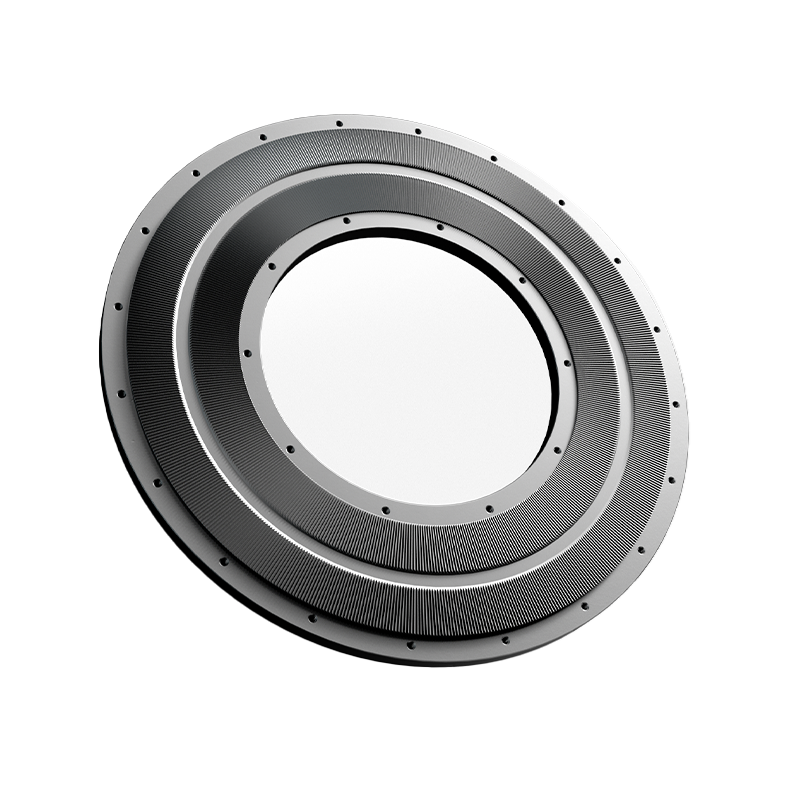
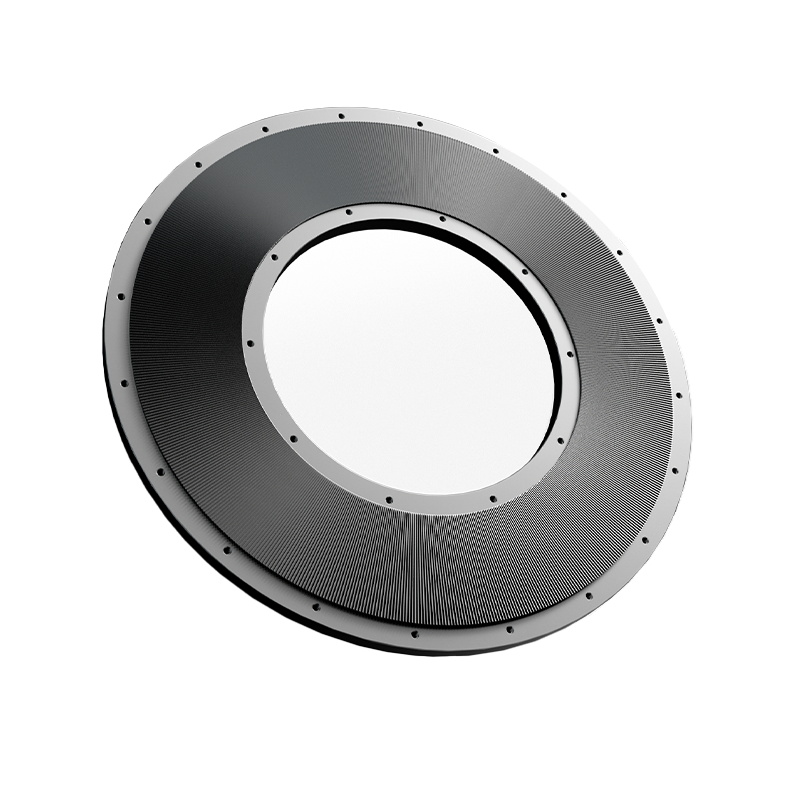
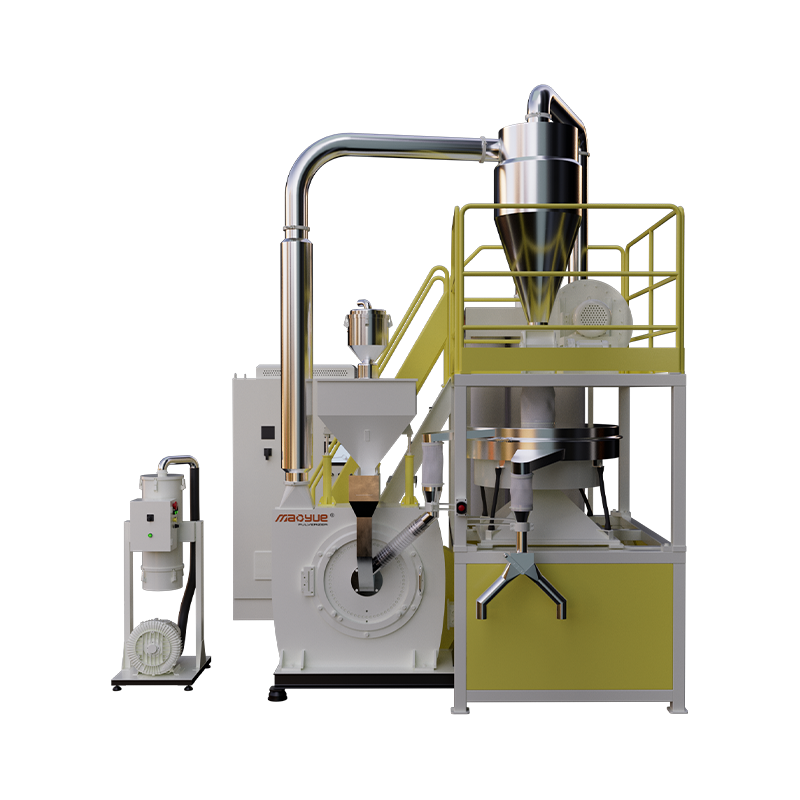
Rotomolding is one of the most demanding recycling applications for PE. The powder must have a narrow particle size distribution, since coarse particles create surface imperfections and fine dust causes poor flow. Modern disc pulverizers with high-speed rotors and precision-machined grinding discs can produce PE powder at high throughput while holding the required uniformity. A dedicated PE rotomolding powder pulverizer with high uniformity is a practical investment for recyclers feeding rotomolding lines, because powder consistency translates directly into lower reject rates in the molded part. Operators should also look at whether the machine can handle the slightly irregular geometry of recycled flake without jamming, since flake shape differs from virgin pellets.
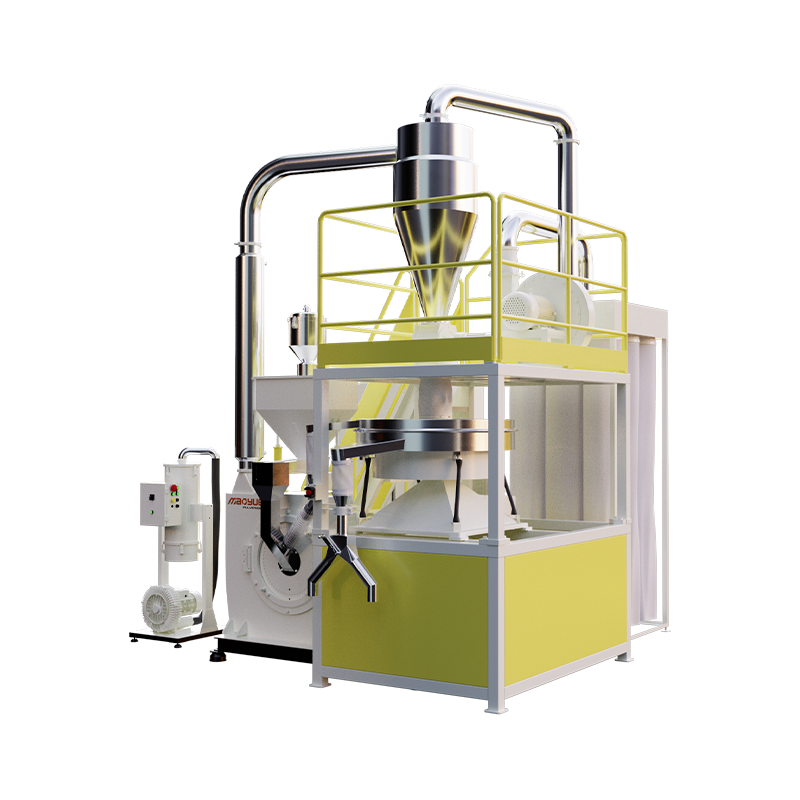 PE Rotomolding Powder High Uniformity 600 Pulverizer Suppliers, Factory - ChangzChangzhou Mao Yue Intelligent Equipment Co., Ltd. is PE Rotomolding Powder High Uniformity 600 Pulverizer Suppliers and Factory in China,...View Product →
PVC scrap and the importance of wear resistance
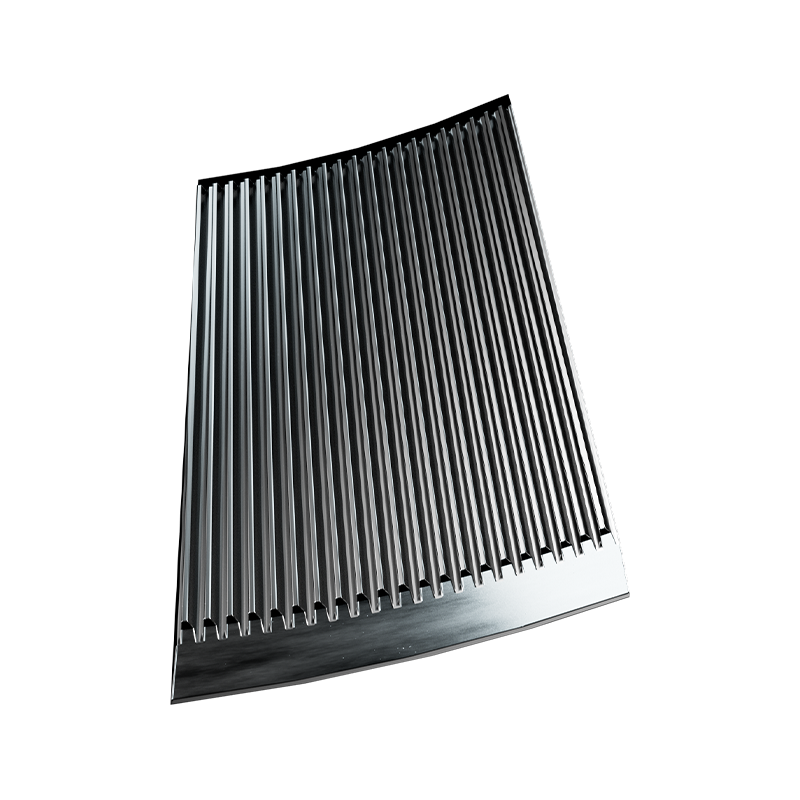
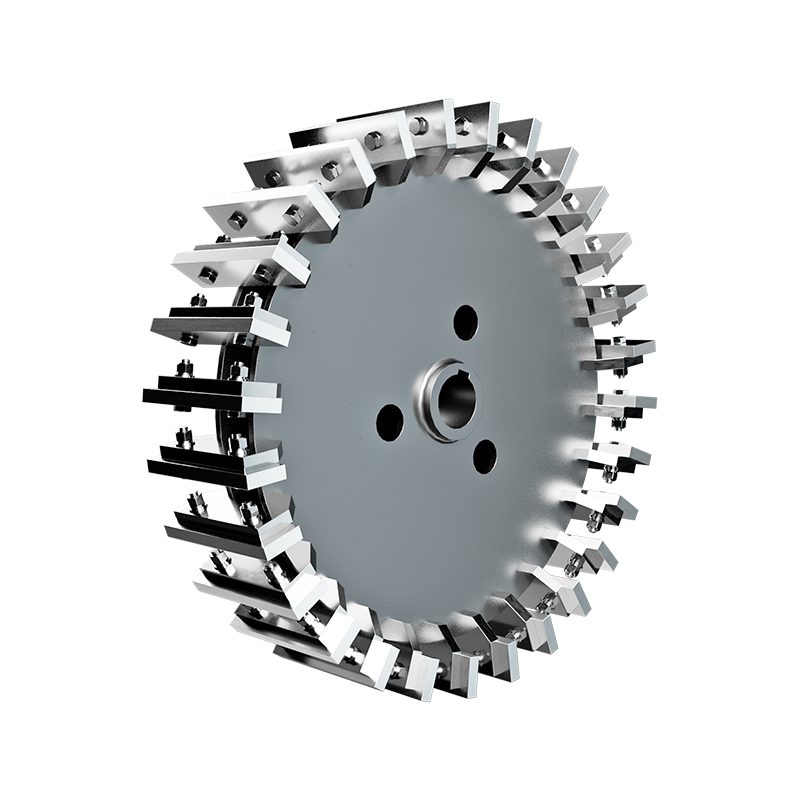
PVC is heat-sensitive and inherently abrasive. When pulverized, the friction at the disc face raises the temperature, and if the material overheats it degrades, releasing corrosive compounds that attack the grinding chamber. This is why PVC recycling lines need a pulverizer with a generously sized rotor, stable heat dissipation, and wear-resistant tooling. A wear-resistant PVC pulverizer uses alloy steel blades and hardened discs to extend service life between maintenance intervals, which is the single largest cost factor when grinding chlorinated polymers. The feed must also be dry and free of metal fragments, because the soft point of PVC makes it easy for contamination to press into the grinding surface and accelerate scoring.
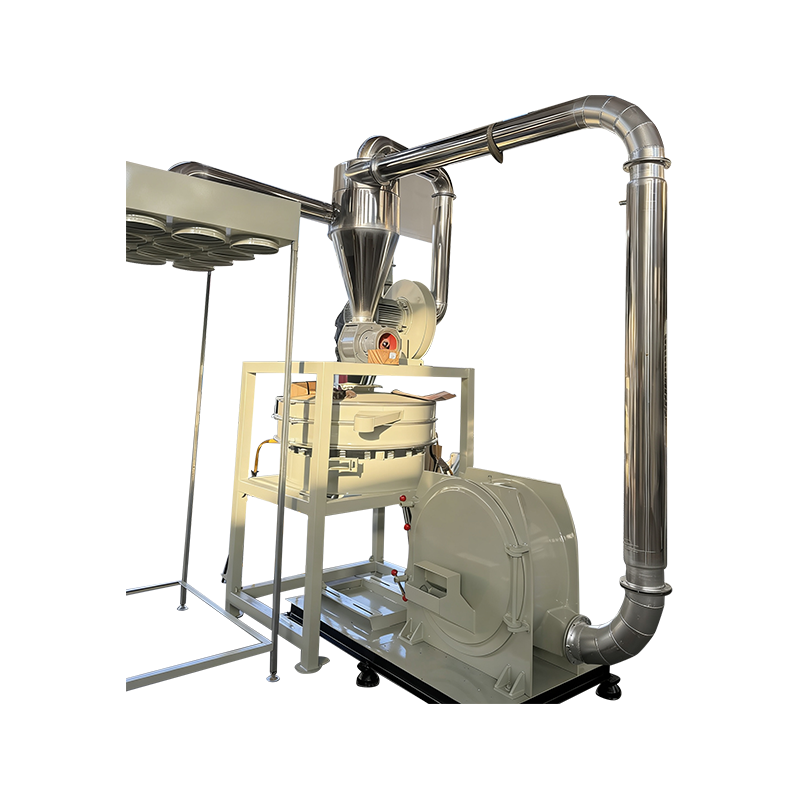
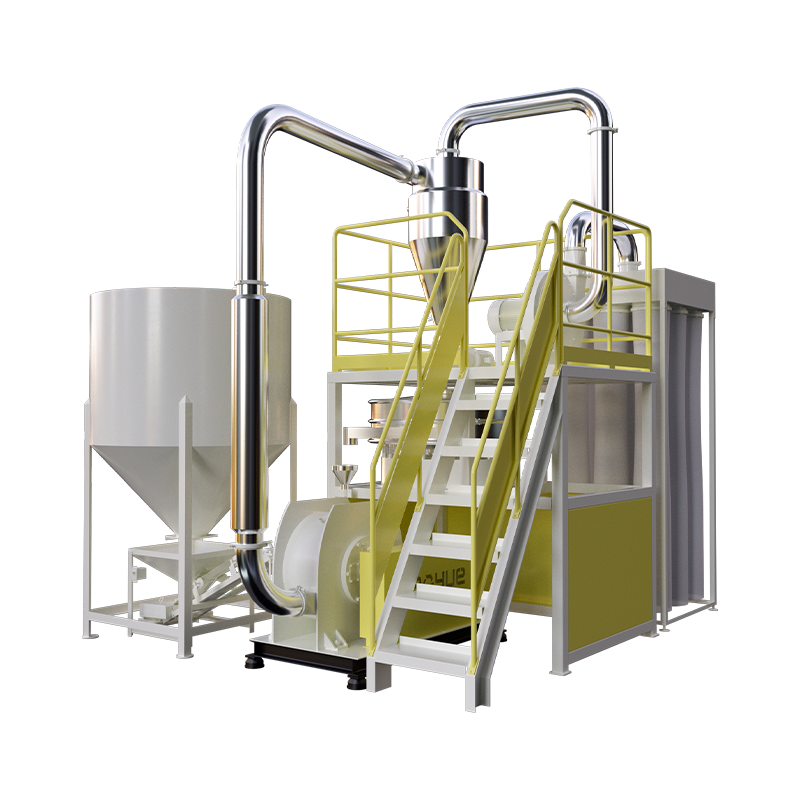 Model 850 PVC Wear-Resistant Crusher Suppliers, Factory - Changzhou Mao Yue InteChangzhou Mao Yue Intelligent Equipment Co., Ltd. is Model 850 PVC Wear-Resistant Crusher Suppliers and Factory in China, Custom Model 85...View Product →
PA and PP engineering scrap
Polyamide and polypropylene are tough, ductile materials. Conventional practice calls for cryogenic cooling with liquid nitrogen to embrittle the polymer before grinding, a process that adds a significant cost per tonne and complicates the plant with cryogenic storage and handling. An alternative is ambient temperature grinding, where the machine geometry and rotor speed are designed to keep the material cool through short residence time and efficient air flow. This approach eliminates liquid nitrogen from the process flow entirely. An ambient temperature PA PP grinder without liquid nitrogen lowers operating cost and simplifies plant safety requirements, making it a strong fit for recyclers processing engineering scrap. It does, however, require careful attention to screen size and feed rate, since the machine relies on rapid removal of ground material to avoid heat buildup.
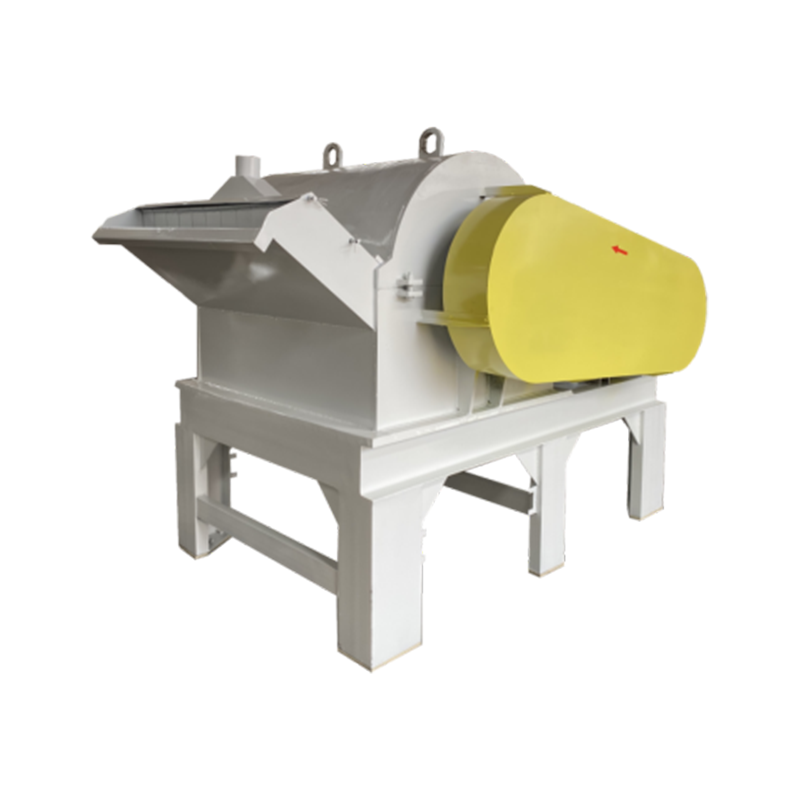
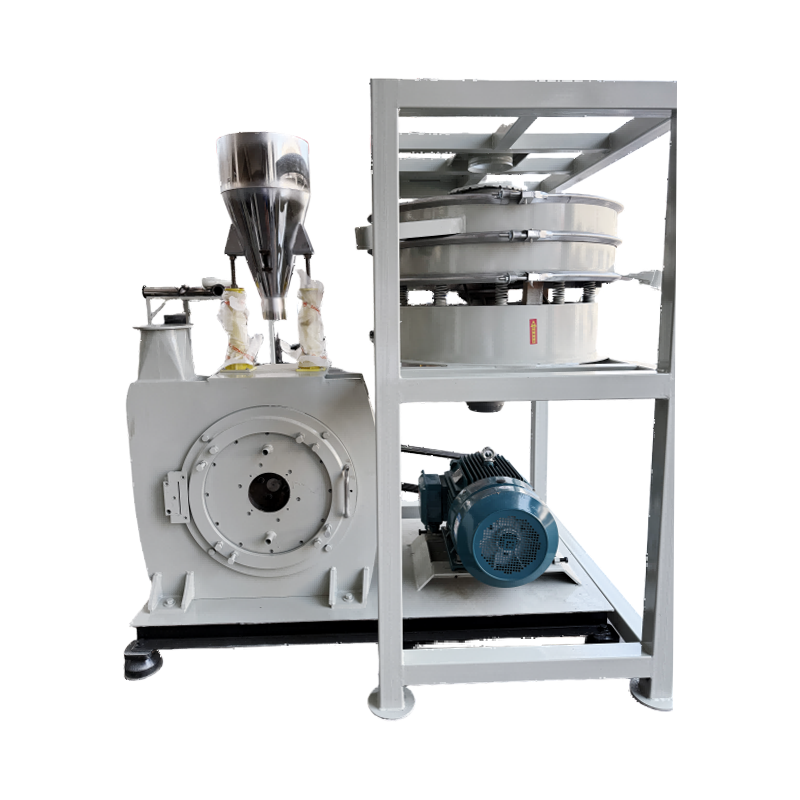 500PA/PP Ambient Temperature Grinder Requires No Liquid Nitrogen Suppliers, FactChangzhou Mao Yue Intelligent Equipment Co., Ltd. is 500PA/PP Ambient Temperature Grinder Requires No Liquid Nitrogen Suppliers and Facto...View Product →
Selection criteria for recycling operations
Choosing a pulverizer for a recycling line is a purchasing decision that pays off over years, so the comparison should go beyond the initial price. The following factors separate a machine that produces profitable powder from one that consumes margin in energy and downtime.
- Throughput at spec fineness. Verify that the manufacturer publishes fineness and capacity figures under the same conditions you will run. Ask what percentage of the output stays within the target particle size window.
- Energy per tonne. Grinding plastics is energy-intensive. Differences of 10 to 20 percent in specific energy consumption directly change the cost of the powder, and at high utilization that difference can pay for a better machine within a year.
- Wear parts cost and lifetime. Blades, discs, and rotors are consumables. Check whether they are hardened alloy steel and whether the supplier manufactures them in-house, because that affects both price and lead time.
- Temperature management. For PVC and any heat-sensitive formulation, the design of the grinding chamber and air flow determines whether you get stable output or frequent resin degradation.
- Integration. A pulverizer is part of a line. Feeding, dust collection, and downstream conveying must be considered together, not as an afterthought.
Buyers who want a detailed breakdown of machine types and pricing will find a plastic pulverizer guide covering types, uses, and buying tips useful before they request quotes. It is also worth working with a pulverizer manufacturer with decades of manufacturing experience and producing its own blades and discs, because that tends to shorten spare parts supply and reduce maintenance cost over the life of the machine. A supplier with several machining workshops and a dedicated blade manufacturing center can respond faster when wear parts need replacing, and that responsiveness matters more in a 24-hour recycling line than it does in a low-utilization batch operation.
The choice between mechanical and chemical plastic recycling technologies does not have to be an either-or decision. In most recycling operations, the pulverizer is the point where both routes become economically viable or unviable. A machine that holds fineness, controls temperature, and keeps energy use in check will convert even low-value scrap into powder that processors are willing to pay for. Match the equipment to the polymer, plan for wear, and the recycling line will deliver the margin that the industry expects.