

 English
 русский
 Español
 عربى
 中文简体
 中文简体
Content
- 1 Map the Whole Line Before You Price Any Single Machine
- 2 Shredder, Granulator, Pulverizer: Match the Machine to Particle Size
- 3 The Stage Most Buyers Under-Specify: Fine Grinding to Powder
- 4 Material Behaviour Decides the Details
- 5 What a Serious Quotation Must Contain
- 6 When a Single Machine Is Not Enough
- 7 Checks Before You Sign
A rotomolding plant in Ningbo once turned away a full truckload of regrind. The plastic was clean, the color matched, and the granulator had run at its rated capacity. The problem was particle size: the recycler shipped 8 mm granulator flakes into a process that only accepts dry powder, so the molder had to grind the load again and billed the recycler for it. The profit on that order disappeared in the second pass.
That is why "plastic waste recycling machine" is a hard phrase to buy against. It covers at least five separate jobs: shredding, granulating, washing, drying and fine grinding. Each one is sized, priced and maintained differently, and each one fails in its own way. Buyers who treat the category as a single purchase tend to overpay for the stage that was already easy and under-specify the stage that decides whether the output can actually be sold.
Go the other way around. Start from the particle size your customer's process accepts, then choose the machine stages that reach it. Motor size, screen openings, rotor geometry and blade material all follow from that number.
Map the Whole Line Before You Price Any Single Machine
Most projects need two or three of these stages rather than all of them, but the sequence matters. Skipping a stage never removes the cost; it moves the cost to your customer, who will eventually charge it back.
- Shredding reduces bales, pipes, lumps, film and purge blocks to flakes of roughly 20 to 100 mm.
- Granulating cuts flakes into uniform regrind, typically 6 to 12 mm, that extrusion and injection machines can accept.
- Washing and drying removes labels, soil, sand and moisture from post-consumer material before it reaches any grinder.
- Pulverizing grinds regrind, flakes or pellets into fine powder, commonly in the 200 to 800 µm range depending on the end use.
- Pelletizing melts and re-extrudes cleaned material into uniform pellets for buyers who will not handle flake or powder.
Shredder, Granulator, Pulverizer: Match the Machine to Particle Size
The three size-reduction machines are often quoted as if they were interchangeable. They are not, and the deciding variable is the output size your buyer accepts.
| Stage | Feed form | Typical output size | Where the output goes |
|---|---|---|---|
| Shredder | Bales, pipes, lumps, film, purge blocks | 20 to 100 mm flakes | Washing lines, storage, granulator feed |
| Granulator | Flakes, small purging, rejected moldings | 6 to 12 mm regrind | Extrusion, injection, pulverizer feed |
| Pulverizer | Regrind, flakes, pellets | Roughly 200 to 800 µm powder | Rotomolding, masterbatch, compounding |
The practical consequence: a granulator cannot substitute for a pulverizer, and buying a larger granulator does not close the gap. Fineness, not capacity, is the limiting specification, and no amount of extra horsepower converts 8 mm flake into moldable powder.
The Stage Most Buyers Under-Specify: Fine Grinding to Powder
Pulverizing is where specifications usually fall apart, because "powder" is not a number. Two suppliers can both claim 40 mesh and deliver powders that behave completely differently in a mold.
Particle size distribution, not average size
A wide distribution, mixing 100 µm fines with 700 µm coarse particles, produces uneven melting in rotomolding, visible surface defects and inconsistent wall thickness. A narrow distribution flows better, fills molds evenly and generates fewer rejects. For rotomolding, 35 mesh is a common reference point, and a buyer should ask for a sieve analysis rather than a single average figure.
Ambient grinding versus cryogenic grinding
Some polymers embrittle easily and grind cleanly at room temperature. Others turn sticky and smear across the disc unless they are chilled with liquid nitrogen. Cryogenic systems cover a wider material range, but nitrogen consumption becomes a permanent operating cost, and it is a cost that scales with every ton you process. Where the material allows ambient grinding, that choice usually pays back within months on consumables alone.
Material Behaviour Decides the Details
Once the fineness target is fixed, the polymer determines disc geometry, blade material, cooling and feed rate.
PE and rotomolding powders
PE is tough and heat-sensitive. Disc design and airflow inside the grinding chamber decide whether the powder stays cool and consistent over a full shift. A unit rated for high output but drifting in fineness after two hours will create more scrap than a slower, steadier machine. For rotomolding buyers, consistency questions matter more than peak capacity claims.
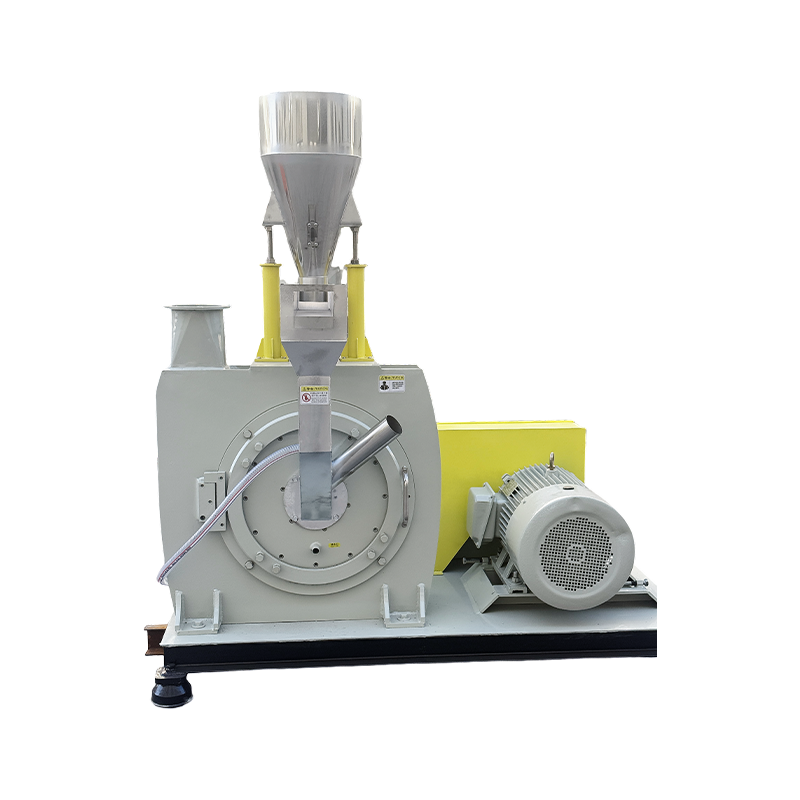
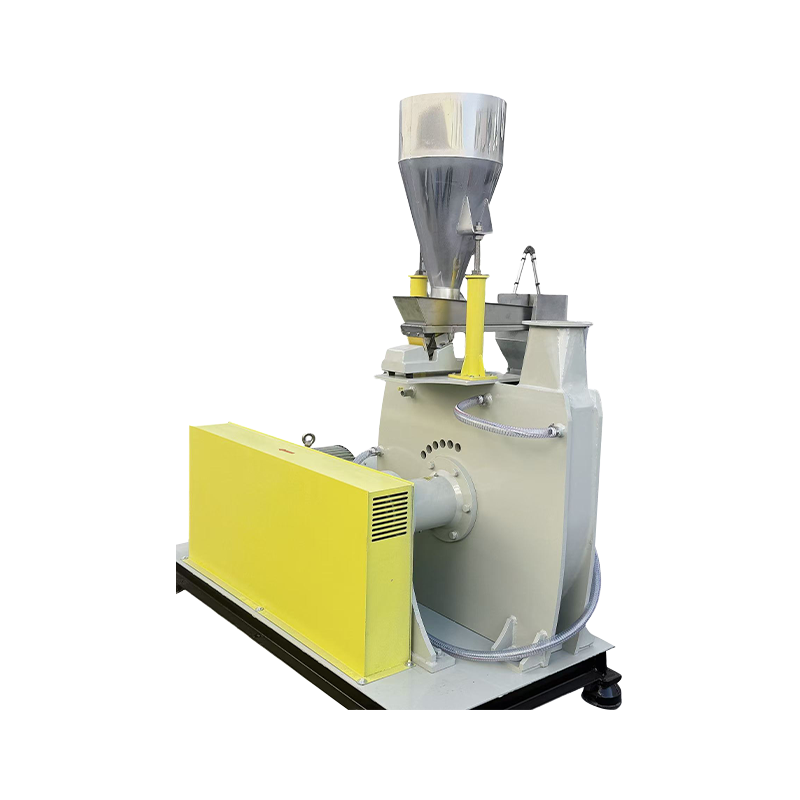
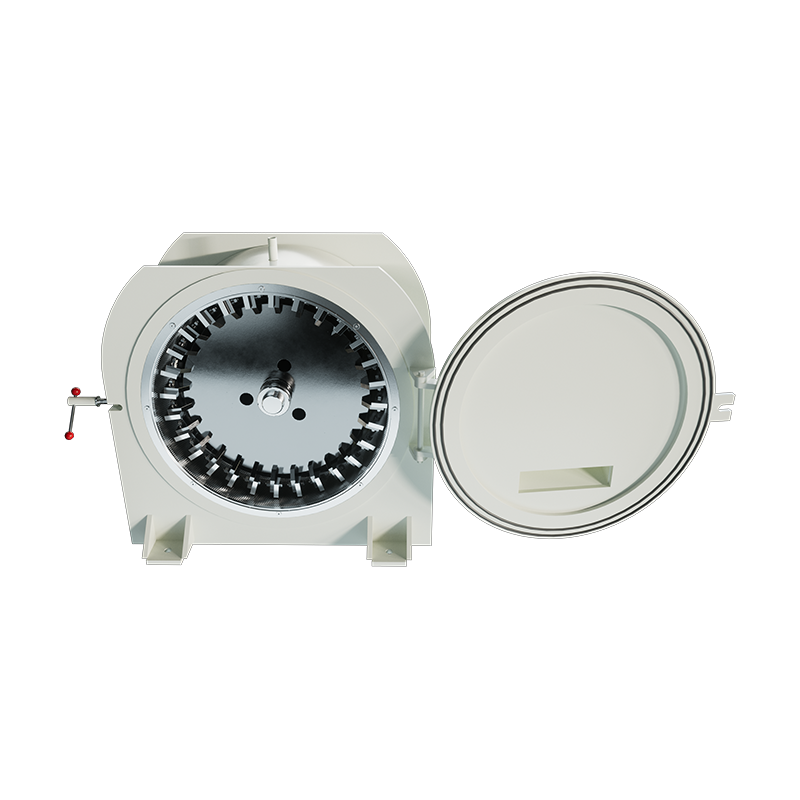
 Mao Yue 600 PE Rotomolding Powder PulverizerFor PE rotomolding powder lines, this 600-type pulverizer targets stable fineness, cooling control, and long-term consistency instead of just peak capacity.View Product →
PA and PP grinding without liquid nitrogen
PA and PP can be ground at ambient temperature with the right disc and rotor configuration, which takes nitrogen out of the operating budget and simplifies plant layout. PA needs controlled heat removal in particular, because it softens quickly and blinds the screen when the feed rate outruns the grinding chamber's ability to discharge material.
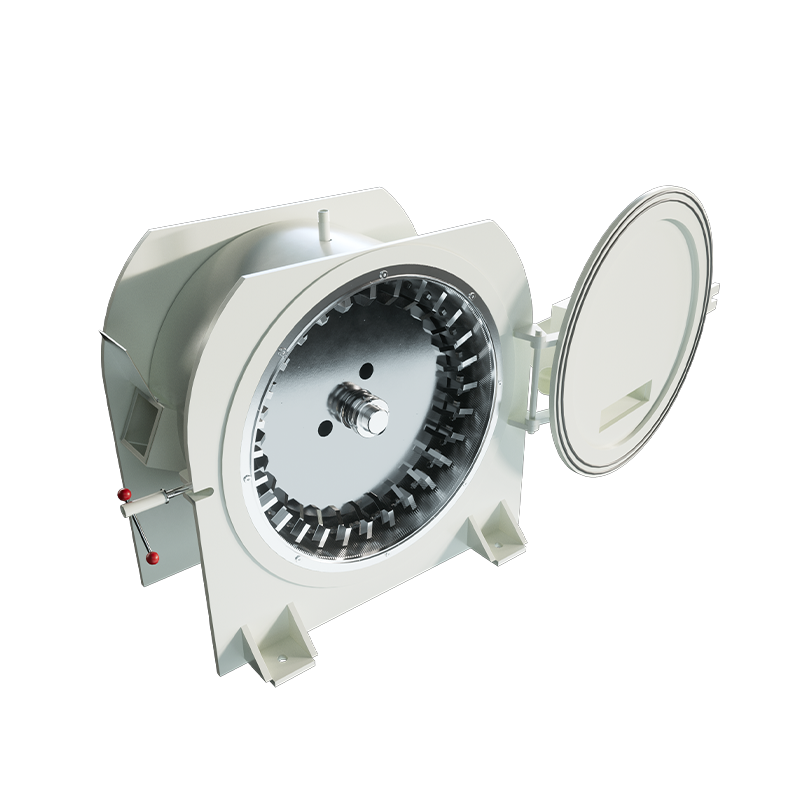
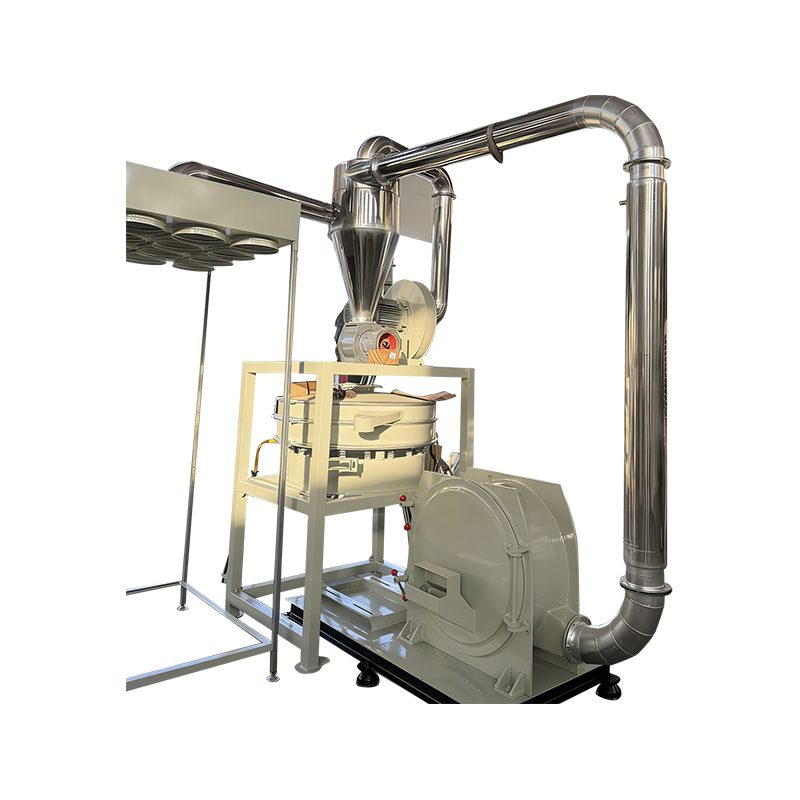
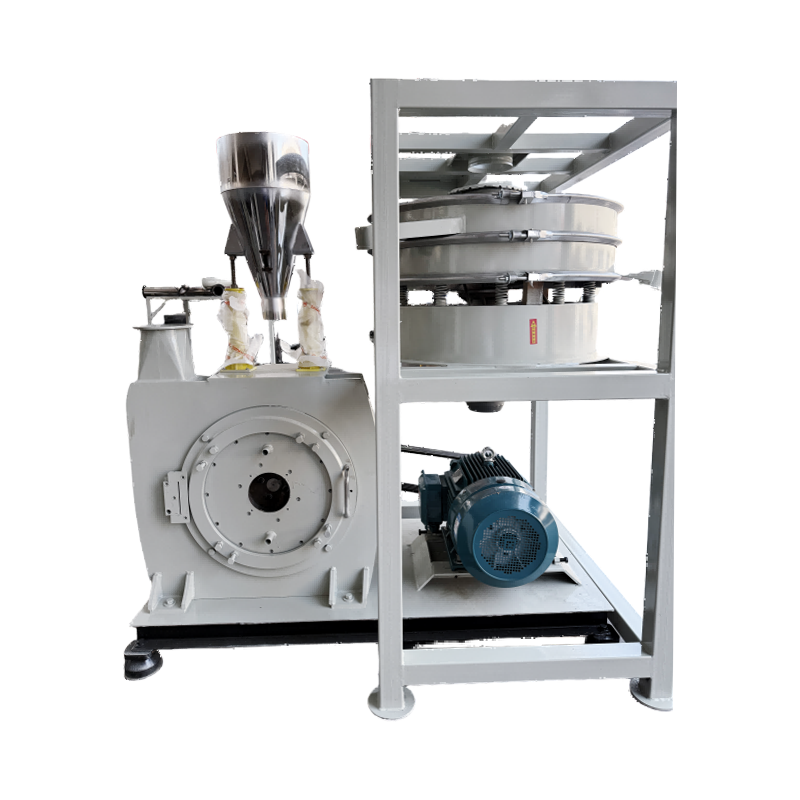 Mao Yue PA/PP-500 Ambient Temperature PulverizerFor PA and PP recycling, this ambient-temperature pulverizer avoids liquid nitrogen and uses temperature control to limit heat-related sticking and degradation.View Product →
PVC, where wear life dominates the cost model
PVC compounds, especially those with high filler loading, are abrasive. On these lines the disc, rotor and blades wear out long before the motor does, so cost per ton depends on how many running hours a set of wear parts delivers and what a replacement set costs. A wear-resistant build with a heavier disc and alloy steel blades normally justifies its higher price within the first year of running filled PVC compounds.
What a Serious Quotation Must Contain
Price gaps in this category are rarely explained by the motor. They are explained by which numbers a supplier is willing to put in writing. A quotation that answers only "how many kilograms per hour" is not yet a quotation.
- Throughput at the target fineness, quoted at the mesh you actually sell rather than at the widest screen the machine accepts.
- Powder fineness and distribution, expressed as a guaranteed average plus a spread figure, with the test material named.
- Wear part life and price, covering blades, discs and rotors as a cost per set and an expected running hours figure.
- Power consumption per ton of finished powder, the number that decides operating cost after installation and the one most often omitted.
If those figures are not offered up front, a written pulverizer buying guide is a considerably cheaper way to learn the right questions than an expensive first purchase is.
When a Single Machine Is Not Enough
Mixed streams, where bales of film, pipe offcuts, thick purge and molded rejects arrive in the same container, rarely suit one machine. A two-stage arrangement is common: a blade-type or hammer-type crusher reduces bulky material, and the pulverizer handles final grinding. Sizing the two stages to each other matters more than sizing either one generously, because a crusher running ahead of the grinder only builds inventory while a grinder fed too slowly wastes capacity.
Blade-type lines suit relatively uniform, thin-walled material and return a consistent flake. Hammer, impact and swing-knife lines tolerate thicker sections, light contamination and greater variation in feed shape, at the price of a wider particle size spread entering the pulverizer.
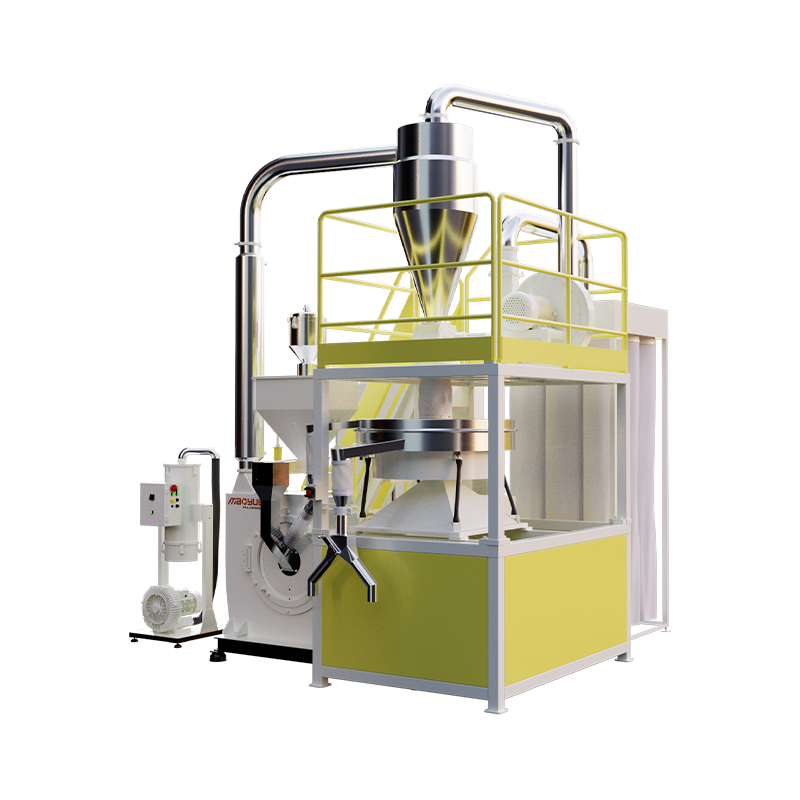
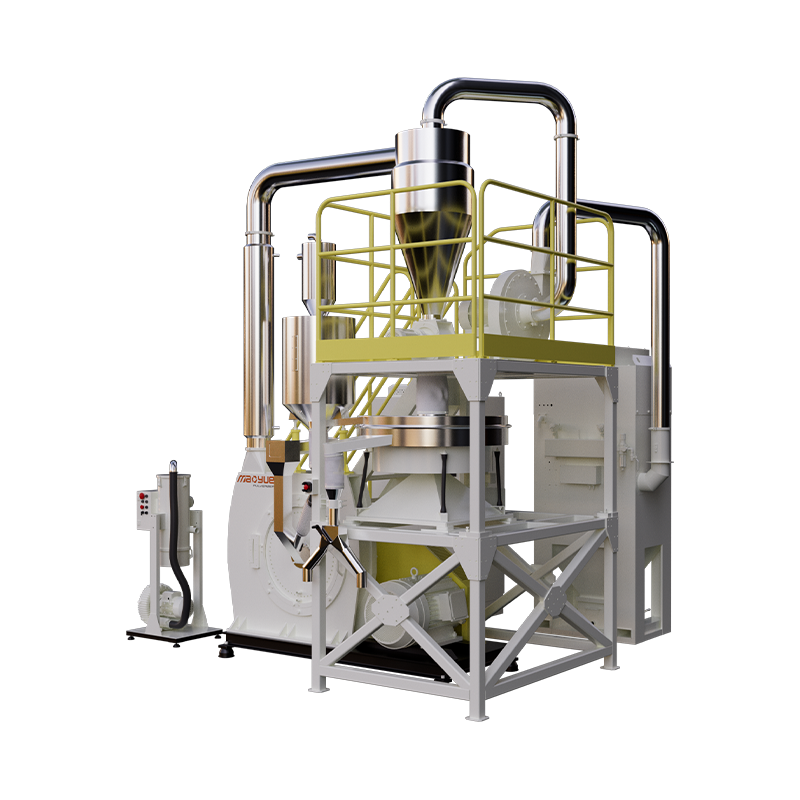
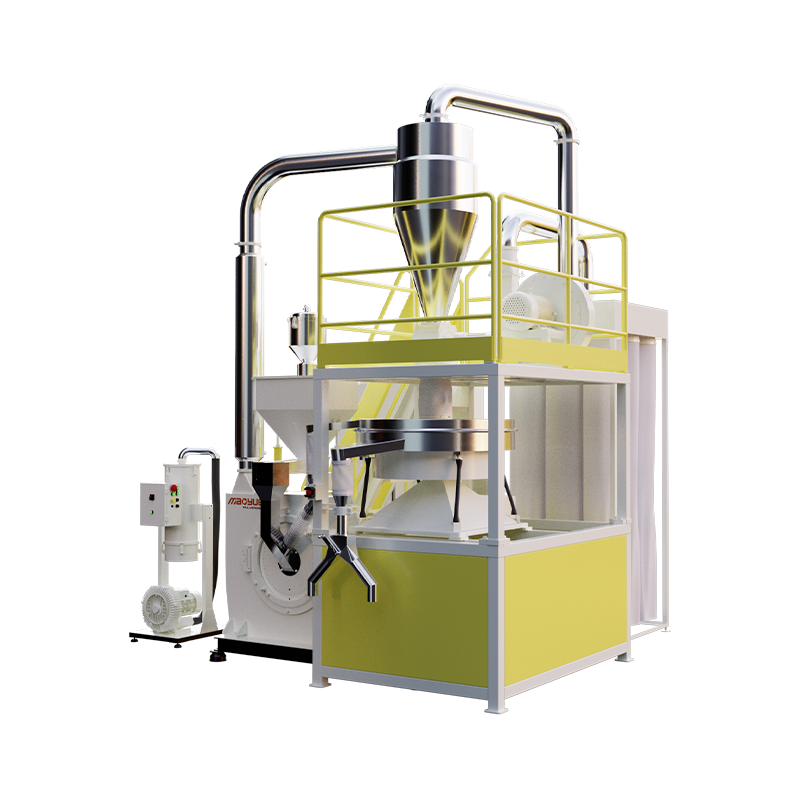
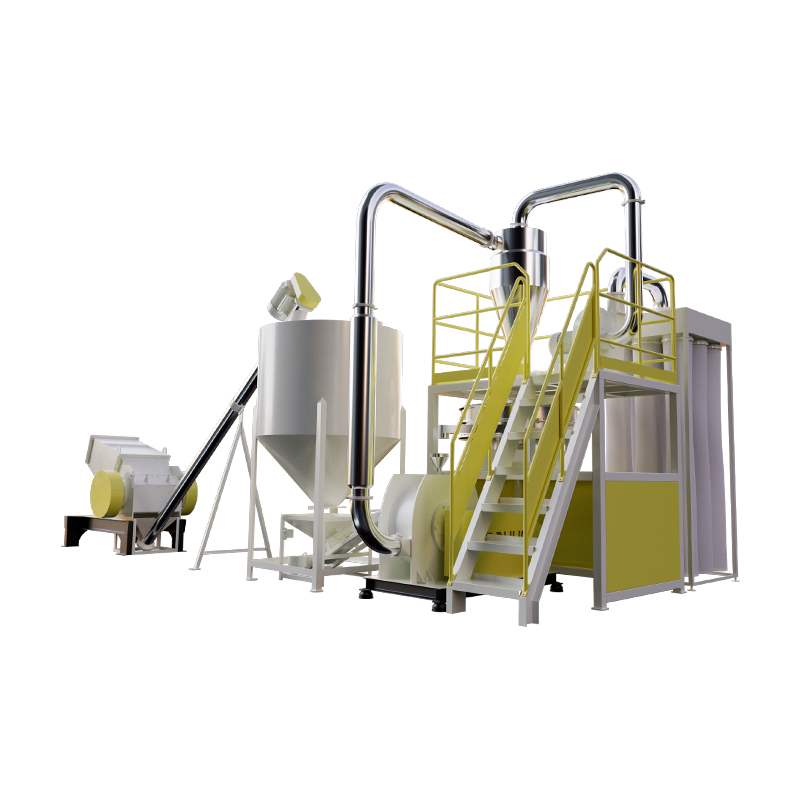 Mao Yue Blade-Type Shredding-Grinding Recycling Production LineFor high-value plastic waste recycling, this integrated blade shredding and disc grinding line produces uniform 20–80 mesh powder with enclosed dust collection.View Product →
Checks Before You Sign
- Send your own material for a trial. Virgin pellets grind differently from washed post-consumer flake, and the difference shows up in throughput, not in the brochure.
- Ask for a sieve analysis of the trial output, taken after the machine has run long enough to reach steady operating temperature.
- Confirm which components are consumable, how they are changed, and how long a change takes with the machine stopped.
- Verify that voltage, wiring configuration and safety guarding match your site rather than the supplier's standard export build.
- Watch the machine run on comparable material first; a video library of equipment running on real material is a useful filter, but a trial on your own flake remains the only real test.
A plastic waste recycling machine is worth exactly what the particle size it reliably delivers is worth. Decide the fineness your customer accepts, match the shredding, granulating and grinding stages to that figure, and price the wear parts alongside the motor. The recycler in Ningbo lost an order over a size difference that no extra horsepower could have fixed.